In Discussion with Niamh White
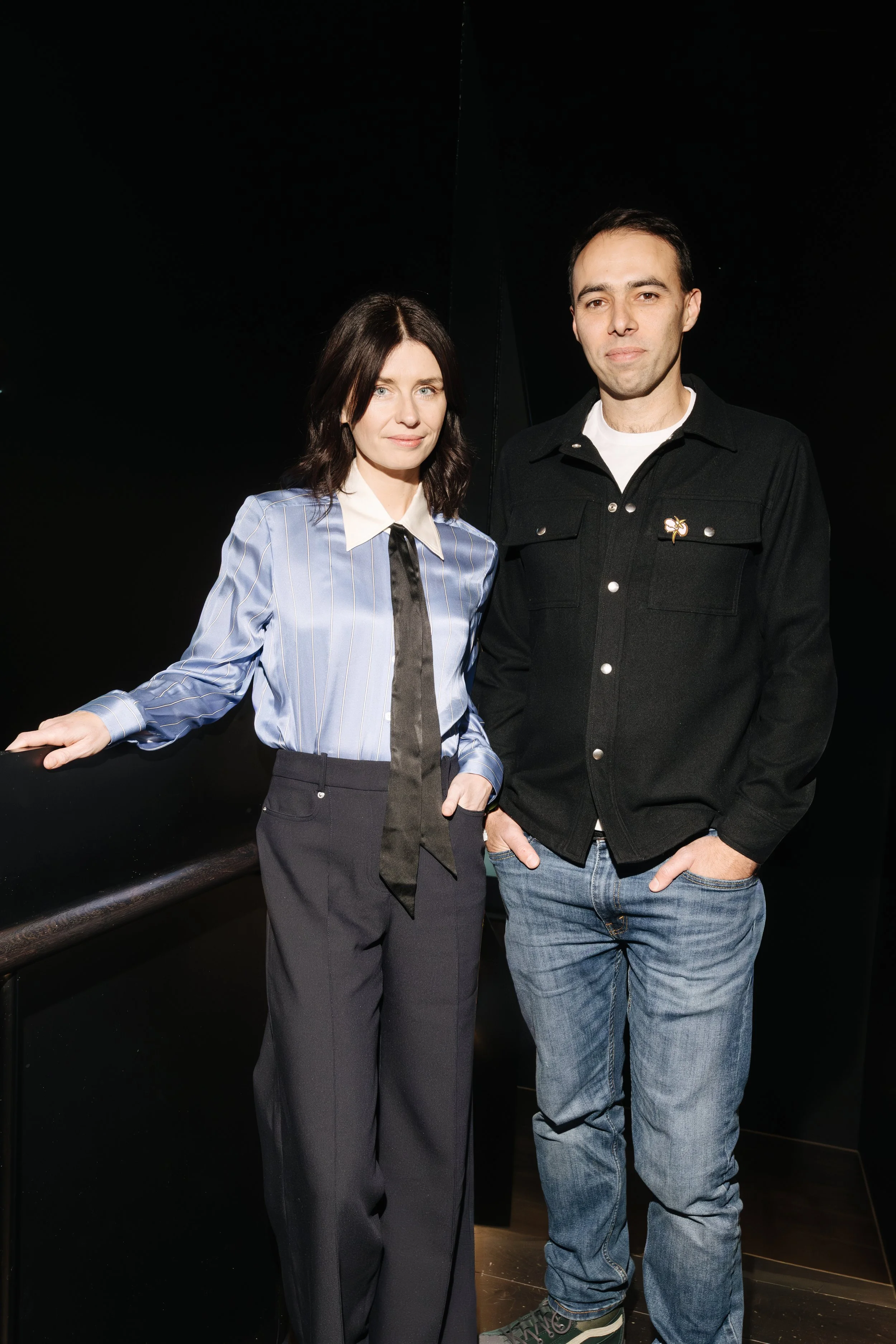
Courtesy of Hospital Rooms
Niamh White MBE, Co-Founder of Hospital Rooms. Niamh does something different every day but mostly loves dreaming up the future of Hospital Rooms. She builds projects, generates funding, monitors our impact and plans for the long term. Niamh is a curator who began her career on the front desk at Hauser & Wirth, worked for Nick Knight at SHOWstudio and has undertaken a variety of independent projects. She has always been fascinated by the ways in which the arts can drive social change. Niamh likes essay collections – a recent favourite is All We Can Save by Ayana Elizabeth Johnson and Katharine K Wilkinson. She likes getting blown around on the Cornish coast.
I had the pleasure of asking Niamh what made her want to work in this field and so much more.
Can you name some of your long-term strategic goals for the organization over the next five years, and how would you measure progress toward them?
Our ambition for Hospital Rooms has only grown over the years. Travelling up and down the country and repeatedly seeing mental health wards in dire condition has reinforced our intention to make change at scale. Over the past 2 years, we have been working with an extraordinary cohort of artists, mental health professionals and people with lived experience of the mental health service to draft a National Framework for Equal Access to the Arts in Mental Health Services. The intention of the framework is to increase the scale and pace of our work. We will move quicker internally, and also open source the framework to artists, arts organisations and health partners to support more independent creative programmes in mental health services.
Why are organizations like yours so important for accurately representing people who have a mental illness?
Hospital Rooms doesn’t claim to represent people who have used mental health services. Our mission is to humanise the places that people receive care within. What is abundantly clear from the artworks that result from our programmes, is that there is infinite talent, knowledge and expertise represented in those wards that is fundamental to re-thinking how we offer care for mental health.
What is the biggest misconception people have about being mentally ill that changes after they see art by those who have a mental illness?
The most common misconception is that there is any fundamental difference between people in mental health services and people not in mental health services. Any one of us might need care for our mental health to varying degrees at any point in our lives.
How do you find artists? Is there an open call?
Hospital Rooms selects artists based on an initial in depth research phase at the beginning of our projects. We look at data from the service covering samples such as demographics, length of stay, geographical reach and combine this with rich qualitative information drawn from creative sessions and focus groups. The artists we invite onto projects have some shared affiliating or knowledge base with the service community and will bring something particular to the site. In each hospital, we ensure there is a real variety of artists represented, who work across a wide range of disciplines and media, and are at different stages in their career from just starting out to world famous. Artists often tell us our projects mark a defining moment in their practice and they gain a great deal from working with us.
What made you want to work in this field?
The need for our work is extremely clear, mental health hospitals are in extremely poor condition and people have few opportunities to express themselves or be creative while they receive care in them. The solution in some ways is simple, and in some ways is extremely complex and nuanced. We present one way of addressing this need through creative practice, which is full of joy and invention. It is very tangible when you change somewhere that was not very nice at all, and you make it beautiful.
What can people expect from the organization being at Frieze?
We are delighted to be in Frieze this year. We’re sharing the last edition of our 10 Posters for 10 Years initiative by Anish Kapoor. Each edition is £100 and is only available from 14 - 24 October either from the fair or online. We have already released artworks by 9 other artists including Antony Gormley, Yinka Shonibare and Chantal Joffe. 1000 of each of them is also being sent to mental health hospitals across England as a gift for our 10th birthday. This is our attempt to reach the vast number of services in a poor condition. All the proceeds that are raised support the Hospital Rooms Futures Fund, helping us continue the work we do.
Is there anything about the organization you wish readers knew, and how could they get involved?
We want them to find out about our work! They can sign up to our mailing list, join our Friend membership or even buy a poster if they are able to.
----
For more information about Hospital Rooms please visit their website here. The organization can also be found on YouTube, Facebook, TikTok, and Instagram.