In Discussion with Tim A. Shaw
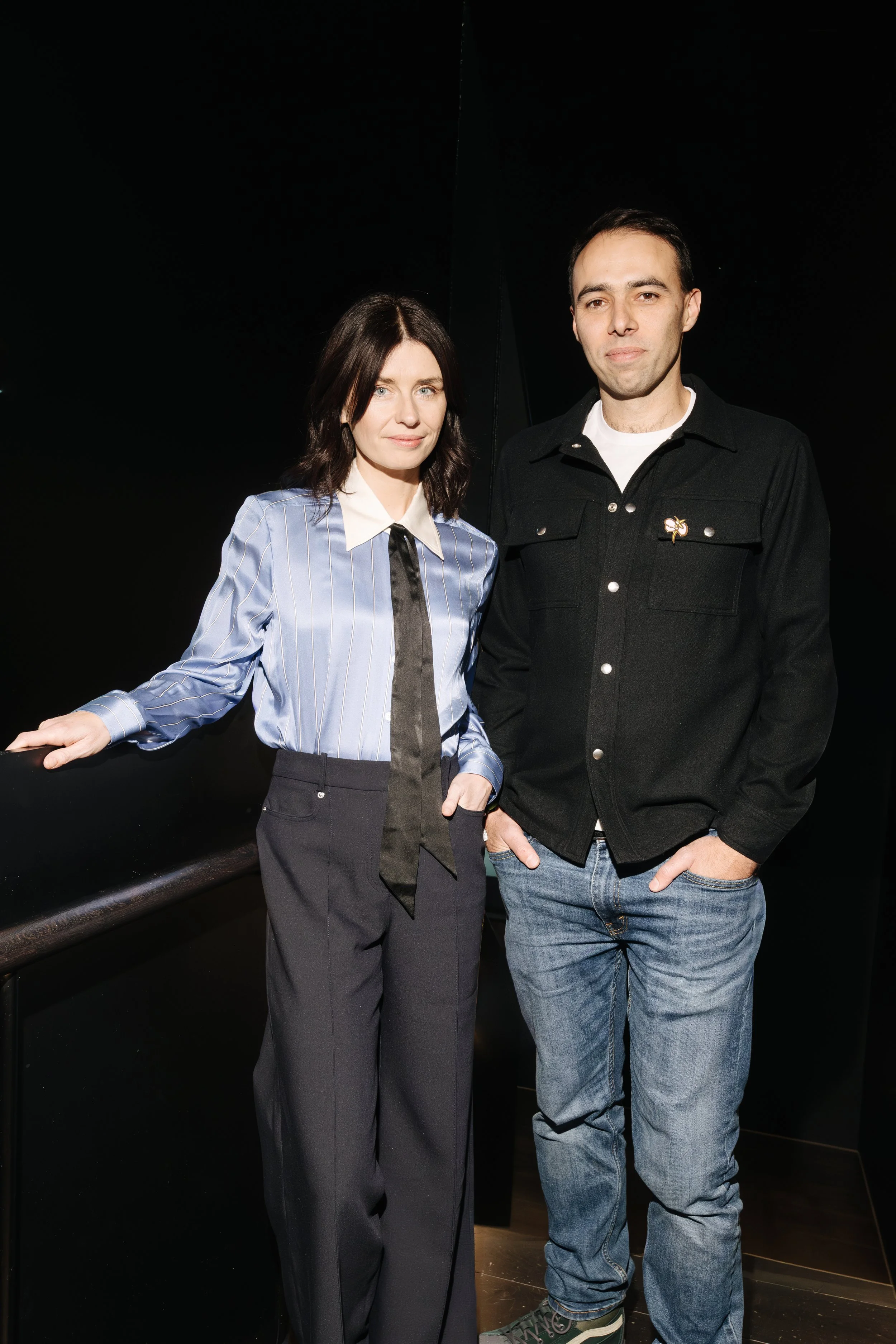
Courtesy of Hospital Rooms
Tim A Shaw MBE, Artist and Co-Founder of Hospital Rooms. He lives in London, grew up in Kent and had Welsh, Scottish and Pakistani grandparents. He has Tourettes Syndrome so has some frequent facial and body tics. His pronouns are he/him.
Tim started the charity with Niamh. He raises funds for the projects and works with the different teams on how to deliver their projects. Tim is an artist and makes installations, light sculptures and paintings. He started his career in the arts as an Art Technician and ran his own art installation company for 10 years. With Niamh, outside of Hospital Rooms, he runs an art prize for exceptional emerging artists. He authored a book called Draw & Be Happy. He eats a Mars Ice Cream every day.
I had the pleasure of asking Tim why art and mental health and so much more.
From your perspective, what does a successful collaboration or residency look like? Are there any positive traits or types of art regarding their chosen medium when working with new creators?
The most successful collaborations for us are when the finished artwork could only be what it is because of the collaborative process. This can involve a lot of listening and the artist having an open mind. The process can have many positive effects, and being part of a creative problem solving exercise can be exciting and challenging in all the right ways.
What are some of your favorite pieces and artists from this year’s exhibition?
There are so many artworks that I think are brilliant. I love the work by Mohammed Imran Khan that filled one of the walls of Victoria Miro gallery. The energy in Mohammed Imran’s work was translated to a scale that he hadn’t seen before, and it was exciting to see, and to see him and his family walk in to see his work 5 meters high in the gallery.
How can future artists get their art included in future events?
We are always looking out for new artists to work with us on our projects and events. A lot of artists submit their work to us, and can do so on our website, but we look for artists who are doing something unique and we think can work collaboratively with the communities we work with.
Can you explain the importance of the exhibition and organization sharing and working with such a major auction house as Bonhams? How did that collaboration come about?
We have worked with Bonhams for 4 years now, and they have been wonderful to us. They waive all fees, and are great partners.
Having the exhibition at Victoria Miro was a dream. We are such big fans of the gallery and the artists they represent, and we have worked with Chantal Joffe (one of the gallery artists) on different projects recently. We know there is some validation from recreating or reimagining the artworks we have made for mental health hospitals on such a respected gallery’s walls, and we gain a new audience to our work. They gave us the chance to make a very ambitious and unusual exhibition and we are grateful for the opportunity.
What has been your favorite part about working with the organization so far?
Meeting some brilliant people in the mental health hospitals, and transforming some pretty dire spaces into places filled with incredible art.
Why art and mental health? Why now?
The vast majority of mental health hospitals have excellent people working in them, people that care, but the spaces themselves are inhumane, bland and clinical - the spaces don’t care. It is a huge problem across the country (and beyond) and there is an urgent need to rethink how a mental health hospitals should look and feel. The arts, and artists, can play a big role in this, by bringing in stimulation, beauty, things to look at, things to talk about. Our workshops and our Digital Art School are also about giving mental health service users the materials and inspiration to being able to express themselves creatively if they want to. It’s a human right and everyone should be able to access culture.
What does the decision process look like when planning which exhibitions, commissions, or community programs make it into the annual calendar?
NHS trusts now apply to work on projects with us, and we read every application and visit every trust before we decide who we will work with. We only take on around 4 projects at any one time, so tough decisions have to be made. Every project has it’s own public exhibition and this is an important part of each project - sharing the work that has been done behind the doors of the mental health units with a wider audience and making sure we talk about inpatient mental health and the creative work happening in these often forgotten spaces.
For more information about Hospital Rooms please visit their website here. The organization can also be found on YouTube, Facebook, TikTok, and Instagram.