In Conversation with Jaqueline Cedar
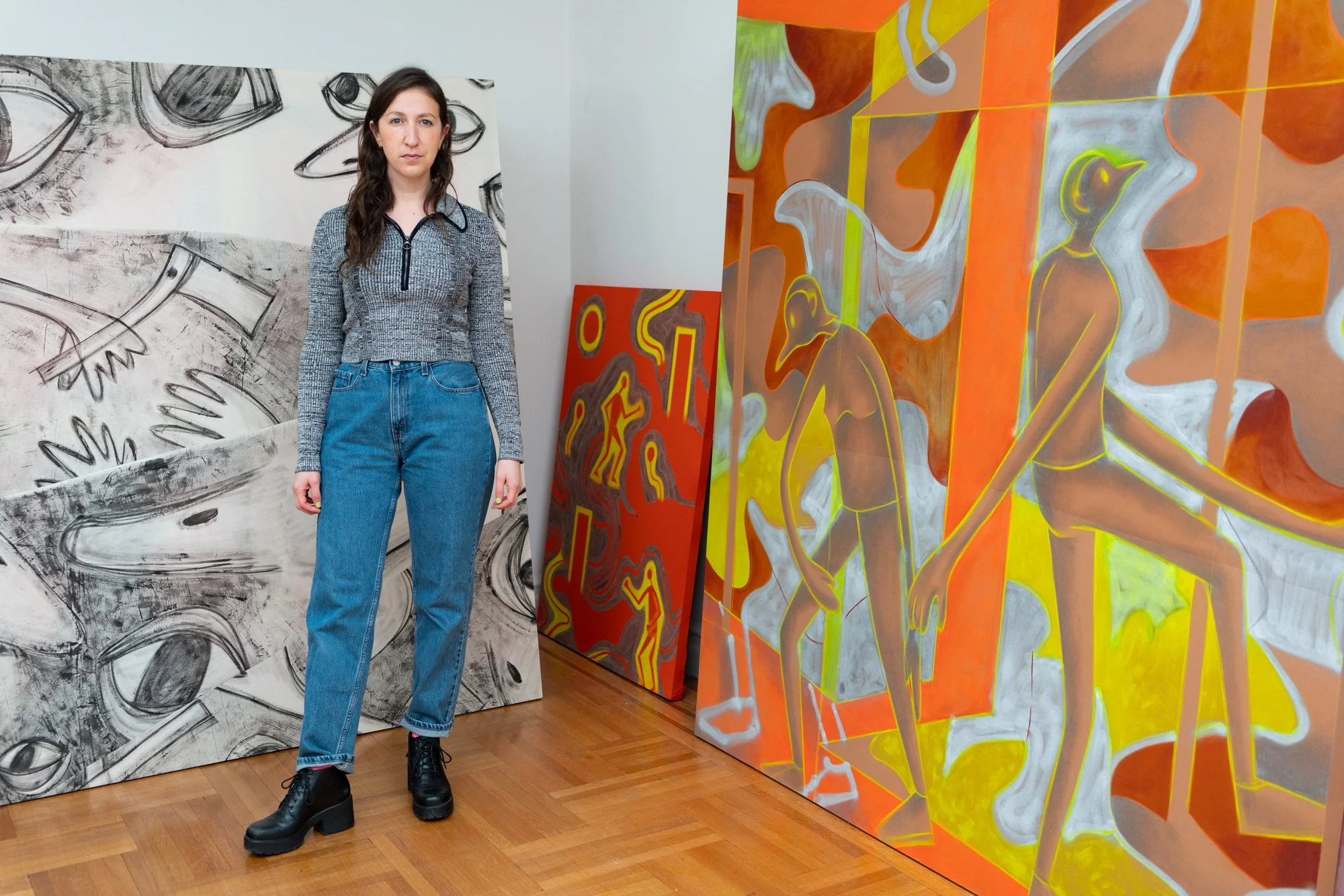
Courtesy of Jaqueline Cedar and the Empty CIrcle
Jaqueline Cedar, a New York-based painter and director of Good Naked Gallery in Los Angeles, presents a body of work that dwells in the hazy terrain of memory and inexplicable dreams. At first appearing dislocated and staged, the intimately scaled paintings draw the viewer in the longer they are observed, rewarding sustained attention to detail. The act of looking unfolds across shifting distances, where close attention to these intimate compositions produces a subversive sense of familiarity. A rising tide, synchronized dancers, and a pizza parlor transform the mundane into something strangely affecting and nostalgic.
LEA: What does the title Wave mean?
JAQUELINE: The title of the exhibition - Wave - comes from one of the paintings in the show. I have a recurring nightmare involving tidal waves that I've often returned to in drawings/paintings. I also liked that the title could reference a wave of feeling or a moment passing.
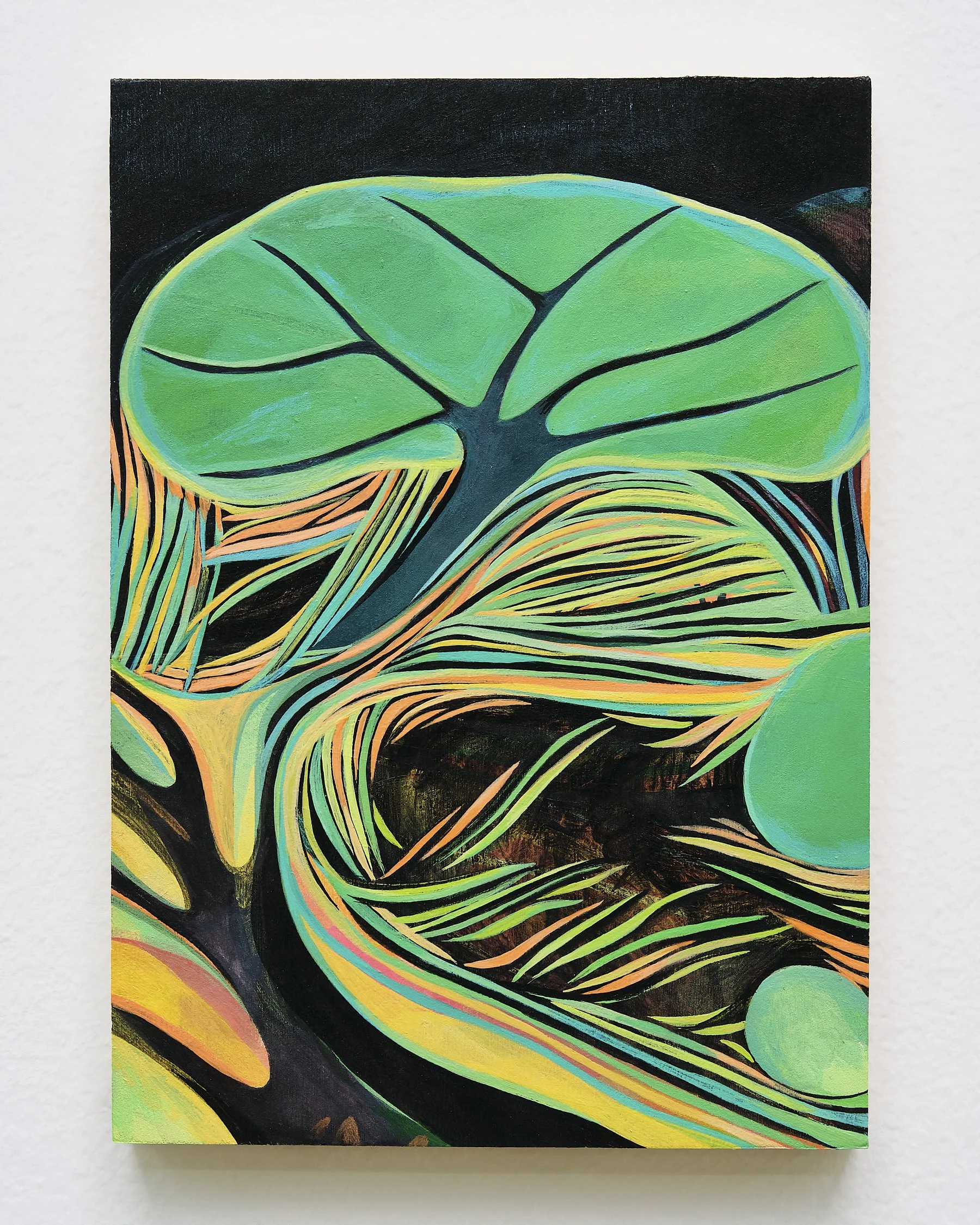
Jaqueline Cedar Shade, 2026 Acrylic on panel 7 x 5 inches
L: Can you share more about your time at Columbia University and how you came to the decision to pursue painting instead of photography?
J: I started at Columbia just after finishing my undergraduate degree at UCLA. At the time, I had been focused fairly equally on a mix of photo and painting studies and wasn't sure which department to apply to when beginning my grad school applications. A photo professor reminded me that if I wanted a physical studio, I would need to apply to painting, as many of the photo programs at the time only offered dark room space. So this was a fairly practical decision that ended up shifting the trajectory of my focus.
Since then, painting has been an all-encompassing pursuit. My process still involves photography - I use photos as note-taking or research as I'm building ideas for new images.
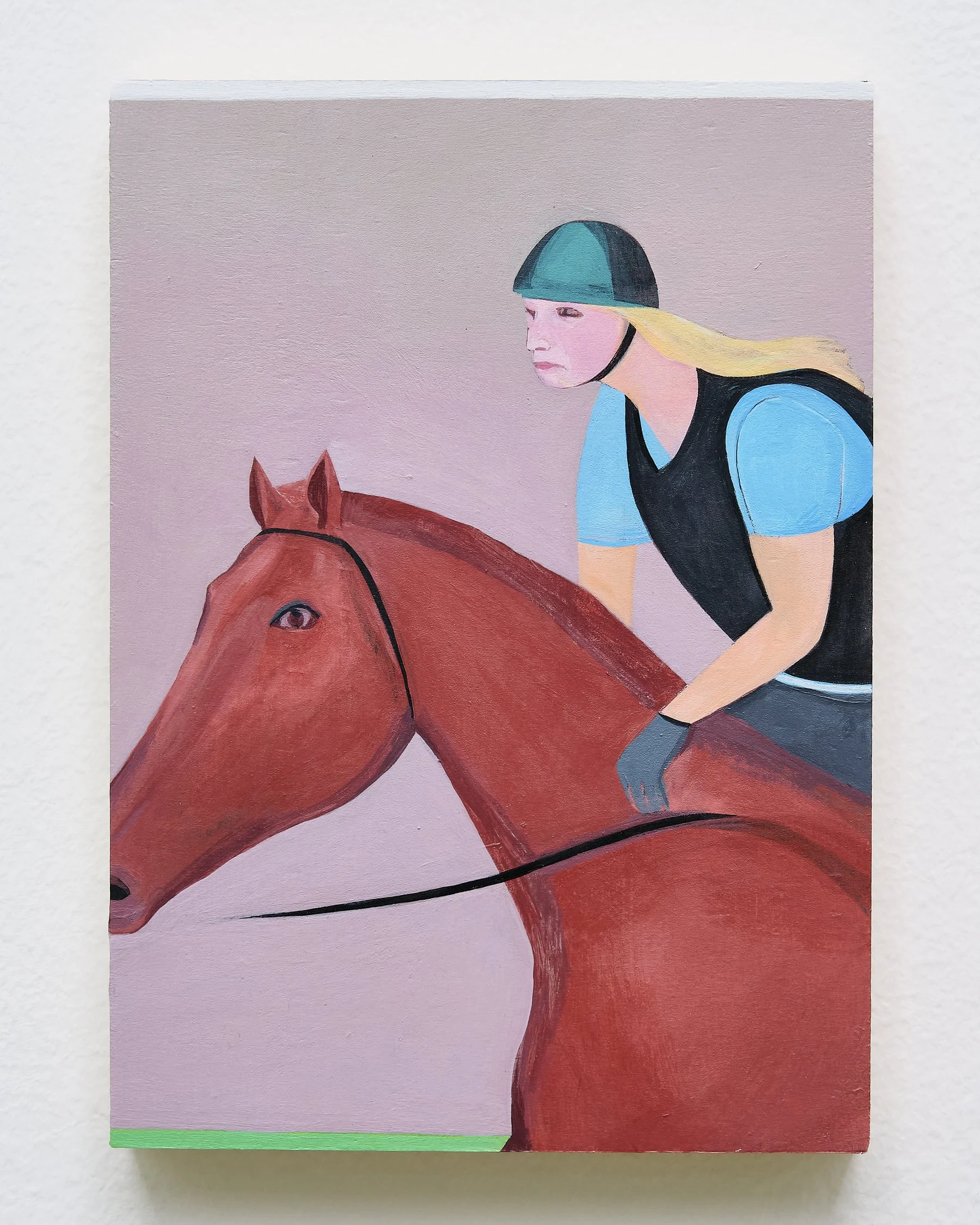
Jaqueline Cedar Go, 2026 Acrylic on panel 7 x 5 inches
L: When you find yourself recollecting a dream or experiencing a moment you would like to translate into a painting, what does your process look like?
J: Typically, I begin a painting thinking about a place/environment and how people or subjects move through it. I spend time recalling a feeling or atmosphere and consider the palette in relation to these ideas. I begin with a monochromatic sketch in paint as I figure out the composition and then layer colors and edit negative space as the image takes shape.

Jaqueline Cedar Who Hurt You, 2024 Acrylic on panel 7 x 5 inches
L: How do you negotiate between visual observations and dreams; does one guide the other?
J: Aspects from both daily observations and dreams are folded into each image. Sometimes a more literal idea becomes abstracted or more surreal as I'm working on it, but that usually comes more from process and responsiveness than planning.
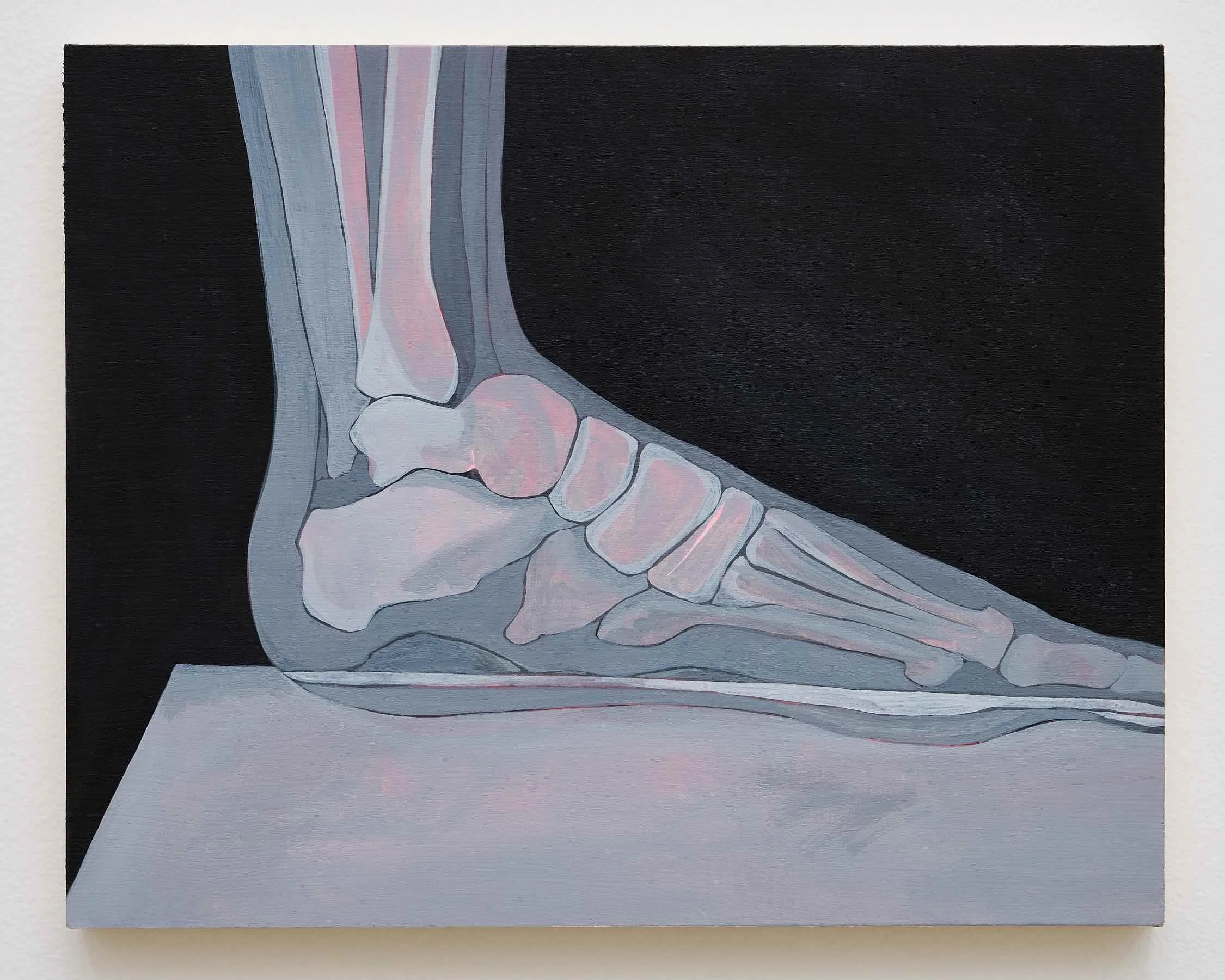
Jaqueline Cedar Place, 2024 Acrylic on panel 8x 10 inches
L: Your current show, “Wave” at The Empty Circle, features intimately-scaled paintings. How does scale impact your decisions on subject matter?
J: Towards the beginning of my explorations in figurative painting, I felt compelled to render a body/character close to life-sized, and I loved the idea of a viewer feeling as if they might enter the painting and have a physical connection to the scene described. Over the years, I've become more engaged with the intimacy of a smaller-scale work. Most of my paintings over the last few years can be held in my lap while I'm working. I'm becoming more engaged with the idea of looking in or through one plane onto another, and appreciate the feeling of a viewer peering into a space both familiar and distanced.
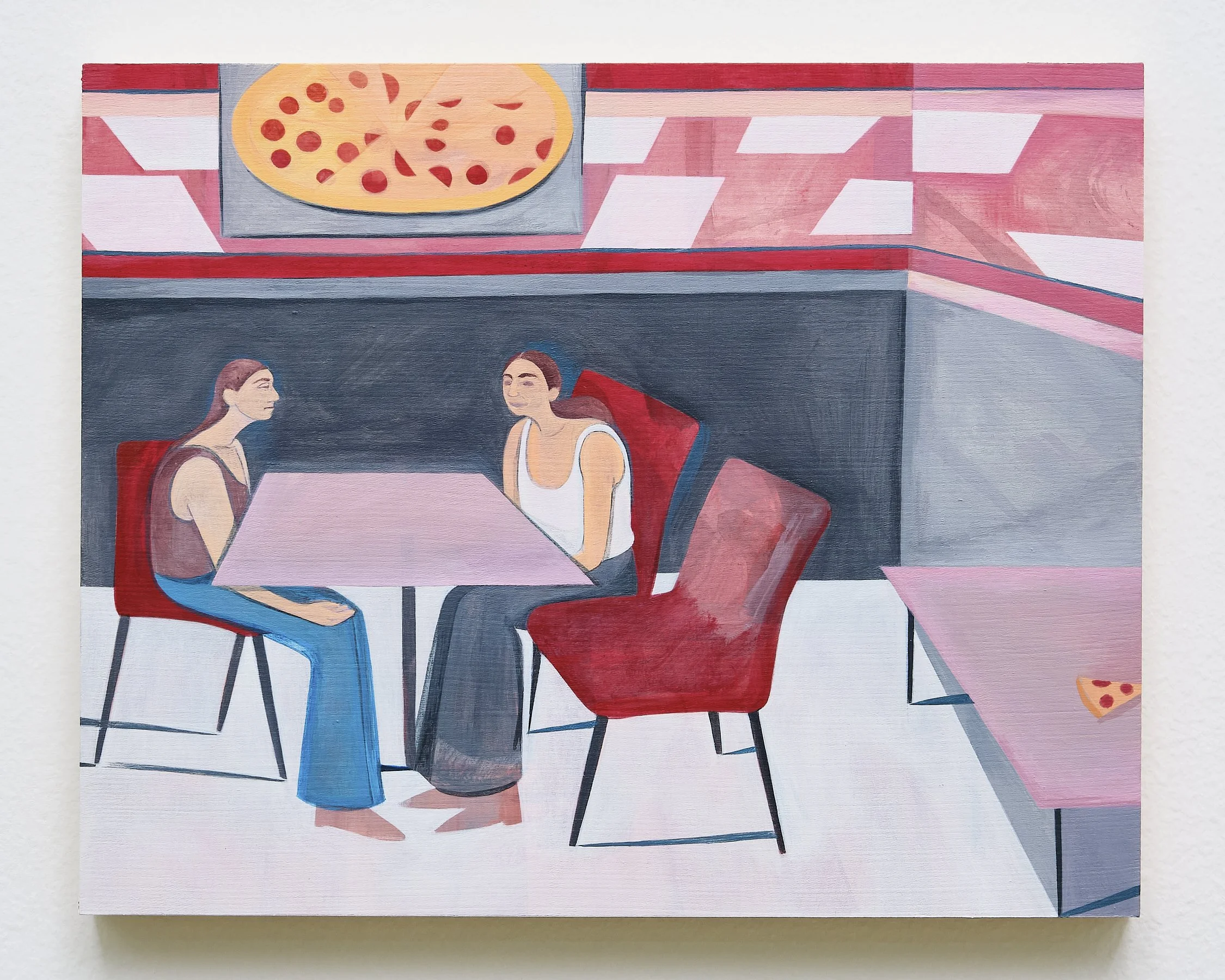
Jaqueline Cedar Pizza, 2026 Acrylic on pane l8 x 10 inches
L: What has changed or developed from your early works until now?
J: My process has shifted over the years in terms of scale and material choices (a few years ago, I was painting on sourced fabrics), but the subject is consistent. I've always been interested in the way figures interact in relation to each other and their environments, and the ways these physical relationships suggest charged psychological ones.
L: When ‘filling in’ memory gaps and traces of dreams, what do you place significance on: the subject, setting, or feelings that evoked?
J: Oftentimes, a memory gap yields space for experimentation or play. I love having a concrete visual starting point, but I'm most engaged by painting when the work asks me to solve a visual or material problem that isn't in service to a particular image.
Jaqueline’s latest exhibition, Wave, opened on March 20 and will close on April 18, 2026. The magazine did a feature on the exhibition, which can be found here. For more information about Jaquline’s artwork, please visit her website here, and she can be found on Instagram here.