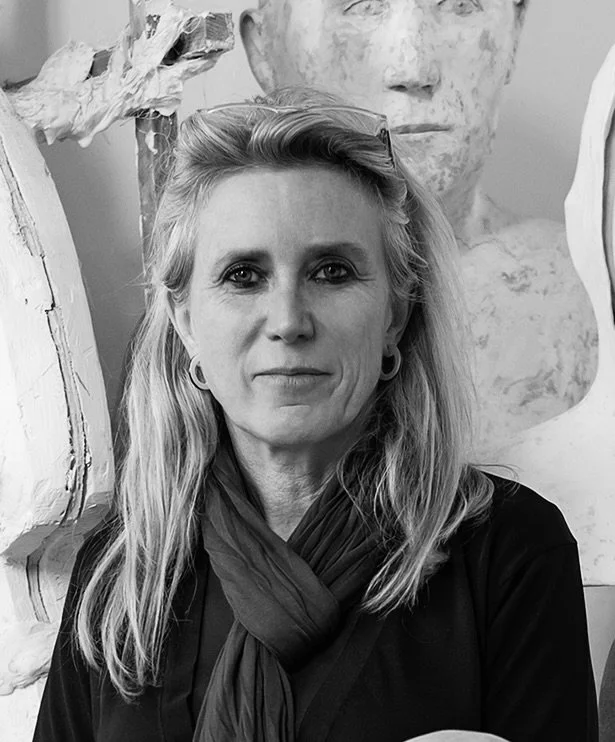
Agnès Baillon was born in 1963 in the Aisne region of France. She currently lives and works in Paris. Baillon spent her childhood on the Larzac plateau, which exposed her to 1970s militancy. She often combines an innate spirit of rebellion with subtle humour which she sometimes expresses in her work (Marianne pulling a “blue, white and red” tongue). She moved to Paris in 1982, enrolled at the Beaux-Arts and graduated from Leonardo Cremonini’s atelier de peinture in 1989. It was during her studies that she began sculpting, almost “by accident”, to free herself from the burden of painting: “When I was about to graduate, I started making ‘little men’ brooches. Skira, Cremonini’s assistant, saw my work and thought it was really funny. He could also see that I was having fun and getting a lot of pleasure out of making them ‘on the sly’, and that I felt so free with this medium”.
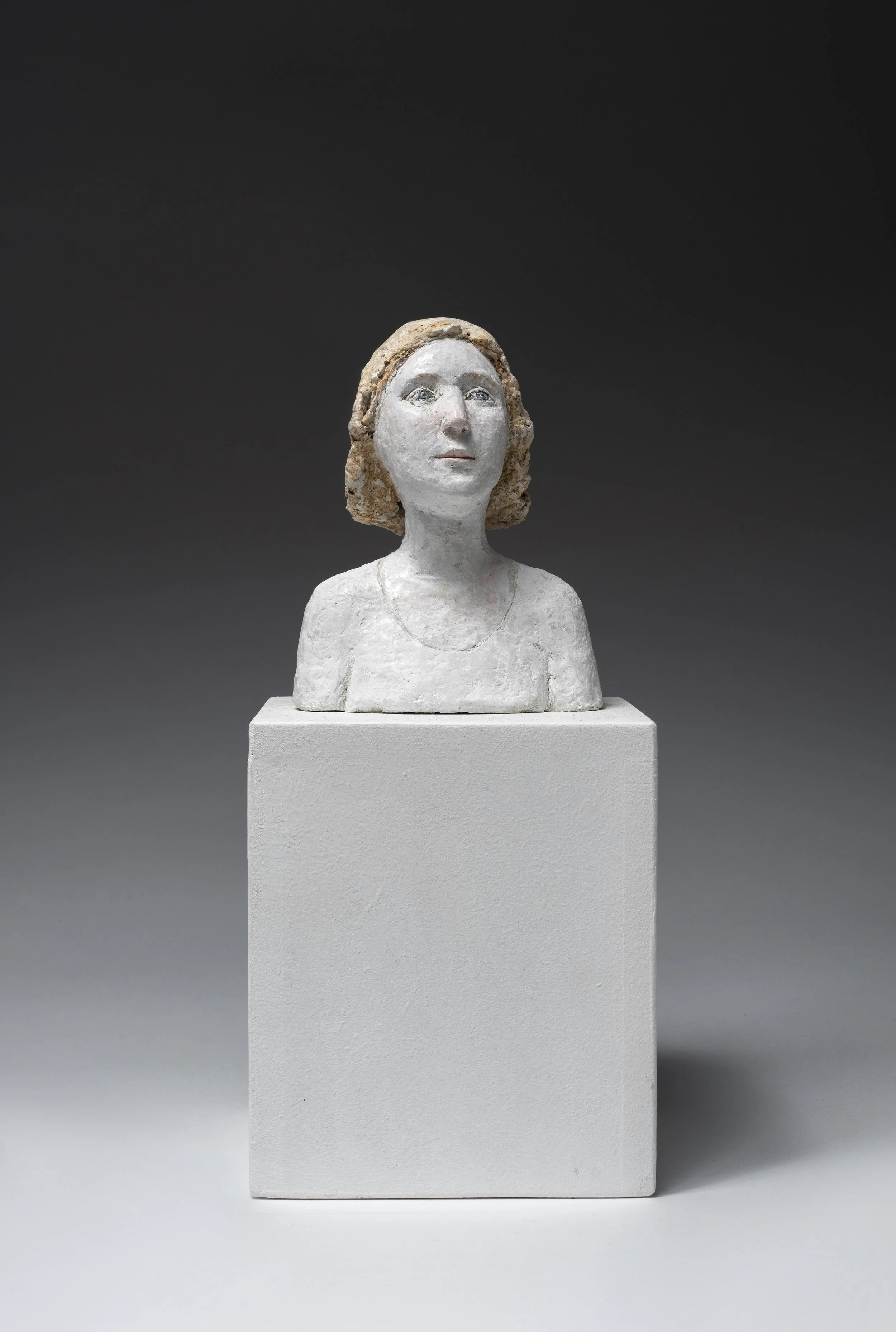
Her early exhibitions combined painting and sculpture. Bodies, often bathers, were painted, while heads were sculpted and presented on pedestals. Since 1990 she has devoted herself exclusively to sculpture in resin, bronze, papier-mâché and ceramic. Intimate, sensitive and silent, she has created a world in her image. Agnès Baillon’s work has been exhibited in Paris since the late 1990s and internationally in the United States, Germany and Greece. Her works can be found in private collections such as the Treguer Collection in Portugal, the Frissiras Foundation in Athens, Greece and the Museum Würth in Germany.
I had the pleasure of asking How can a work of art change how one’s view things in general about oneself and the world, what does art mean to her and so much her and so much more.
UZOMAH: What does art mean to you?
AGNES: For me, creating means bringing to life characters that transcend time— perhaps a way to achieve a small victory over death. It is a means of capturing the human presence and evoking emotions, much like holding up a mirror to the viewer—while avoiding overly specific narrative details, so that anyone can see themselves reflected within the work.
U: Can you discuss your most recent involvement with the Galerie Negropontes and the importance of celebrating the 150th anniversary of Constantin Brancusi’s birth?
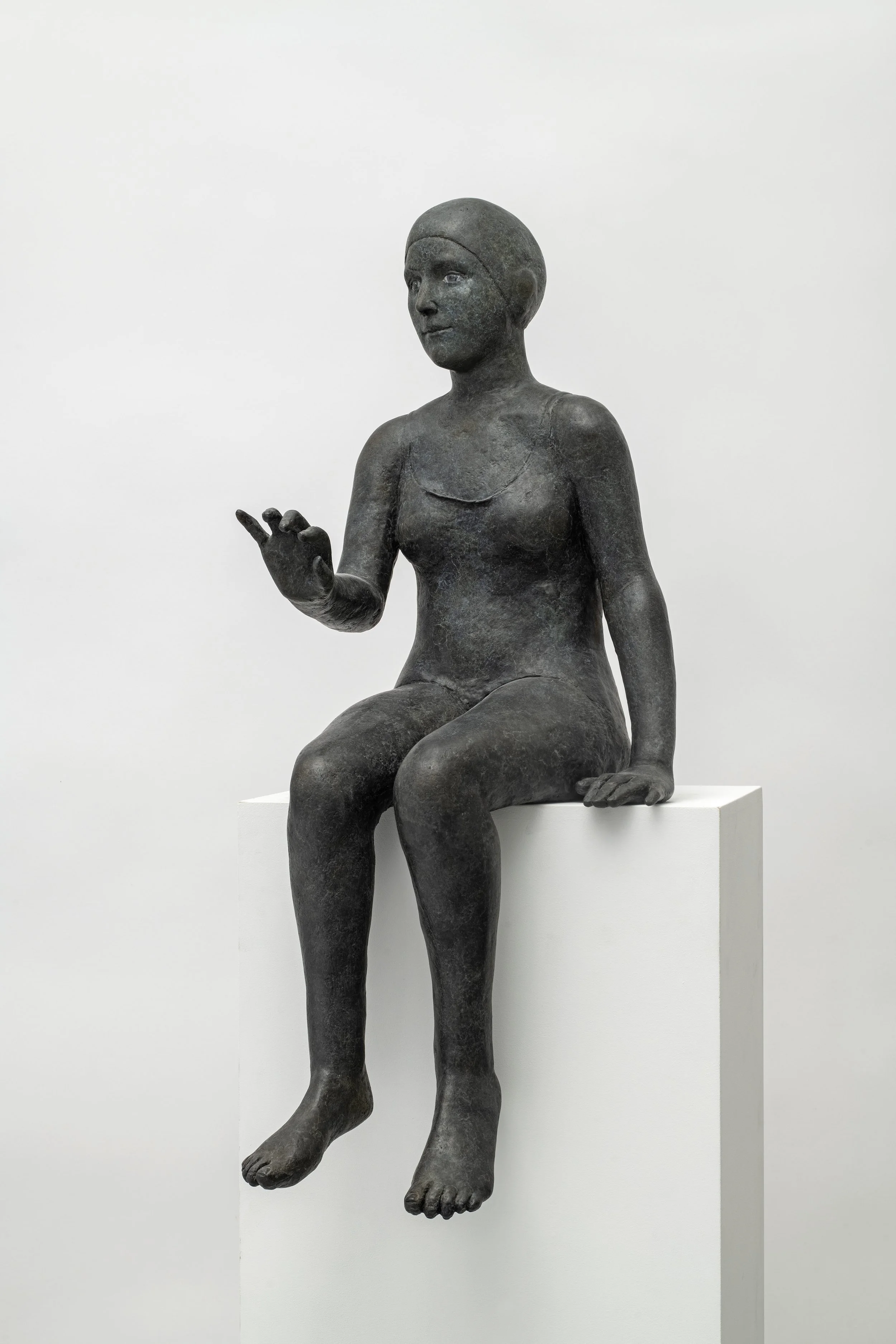
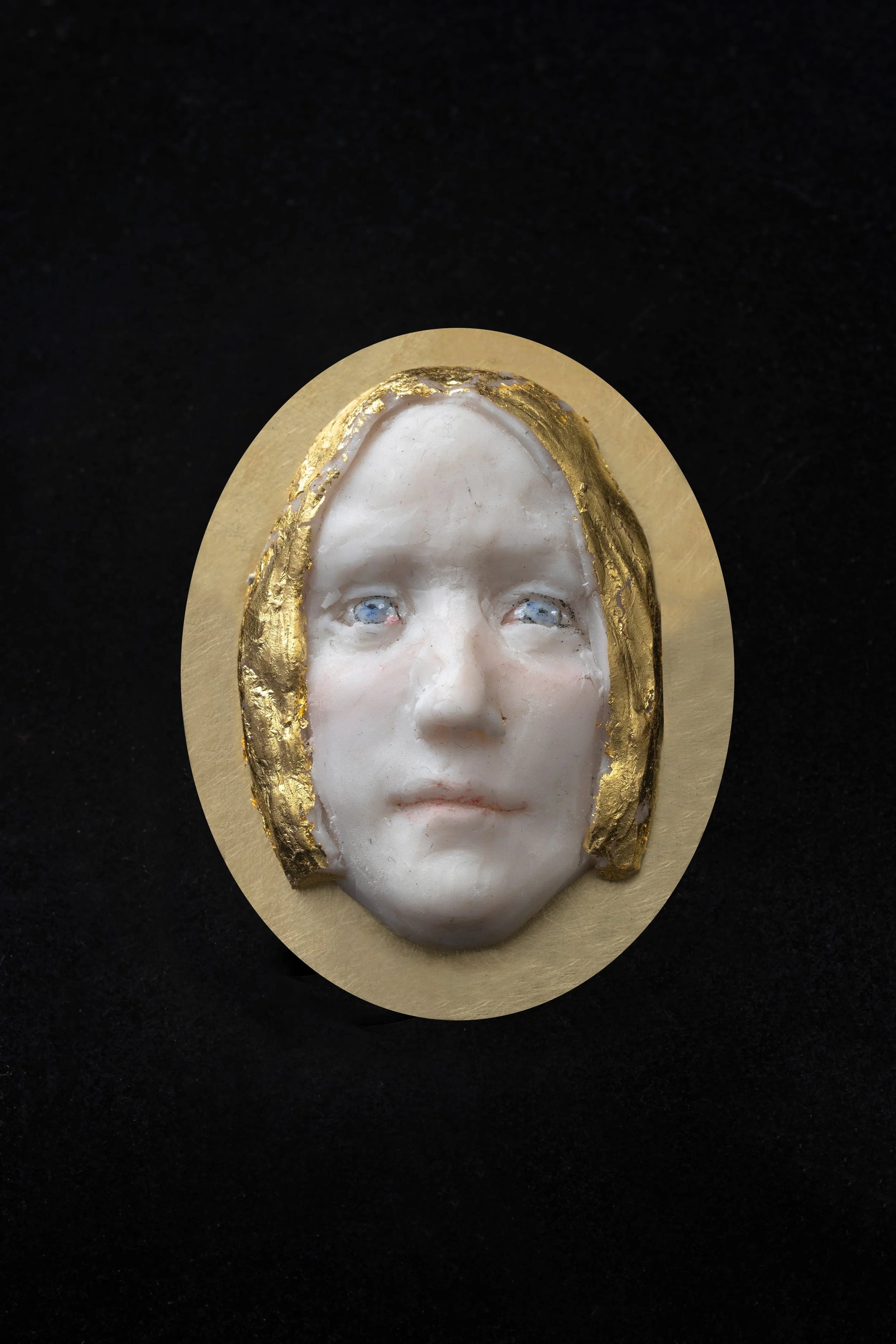
A: I have known Sophie Negropontes and her prestigious gallery for over 12 years; my husband, Eric de Dormael, has been exhibiting there for just as long. Over time, the gallerist took an interest in my work. She first invited me to present bas-reliefs and cameos, and later suggested I exhibit my bronze piece, “Le Geste” (“The Gesture”)— featuring a black patina reminiscent of the photographs of Brancusi’s sculptures taken by Grigorescu.
Courtesy of artist and Galerie Negropontes
U: When did you know you wanted to be an artist?
A: I come from an artistic background. As a child, I didn’t play with dolls—I made them myself. I never made a conscious decision to become an artist at any particular moment; for me, creating is as essential as eating or drinking—it is a need and a desire that sustain my life.
Courtesy of artist and Galerie Negropontes
U: What is the most important tool a sculptor has and why?
A: For me, the most important tool is a stylus or a set of dental spatulas, which allow for the creation of highly precise details—especially when it comes to facial features.
Courtesy of artist and Galerie Negropontes
U: How did you incorporate your artistic vision into this exhibition, which also honors the 150th anniversary of Constantin Brancusi’s birth and his contributions to the art world?
A: I integrate my artistic vision by creating a dialogue between my figures and the minimalist sculptures of Constantin Brancusi—sculptures highlighted here through the photographs of Grigorescu. The human dimension of my figures converses with the motionless spirituality of Brancusi’s work. I love this purity of lines and volumes.
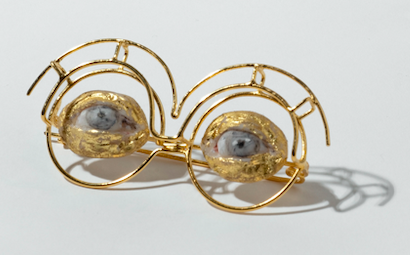
Courtesy of artist and Galerie Negropontes
U: What is your favorite aspect about creating art?
A: For me, the most exciting part of creating a character is when the sculpture gives the illusion of being alive, and an exchange takes place with the viewer through its gaze.
Agnès is on view at Galerie Negropontes, Paris during the third and final installment of the series Reflections on Brancusi to mark the 150th anniversary of Constantin Brancusi’s birth, the exhibtion opened on September 11 to December 19, 2026. For more information about this show please visit Galerie Negropontes’s website here.
For more information about Agnès’s artwork and current exhibitions please visit her site here, she can also be found on Instagram here and Facebook here.