Richard Pousette-Dart: Geometry of Summer
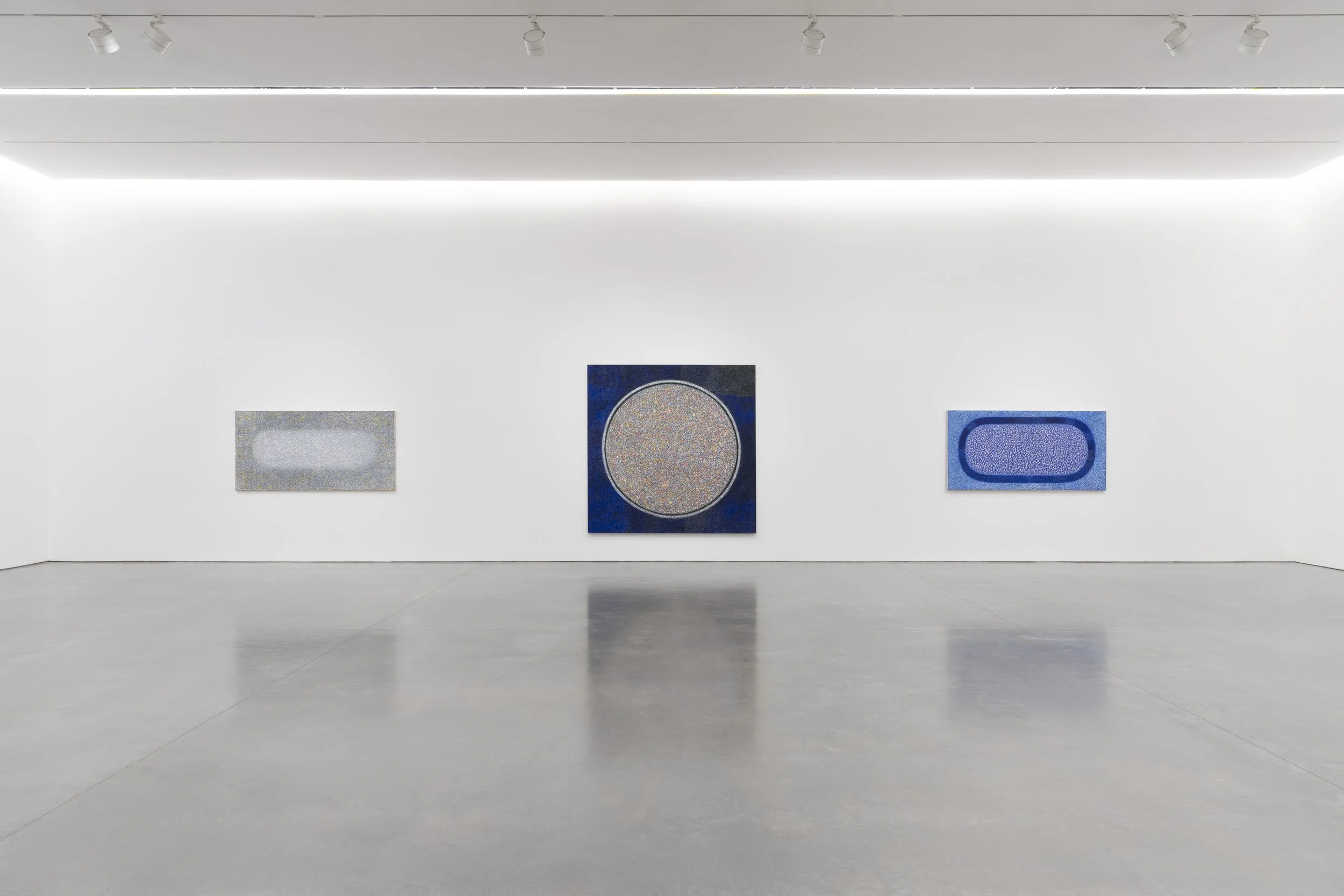
Richard Pousette-Dart: Geometry of Summer 540 West 25th Street, New York, NY 10001 January 16–February 28, 2026 Photography courtesy Pace Gallery
New York— Pace will present Richard Pousette-Dart: Geometry of Summer at its 540 West 25th Street gallery in New York, which opened on January 16 and will be open until February 28, 2026. The show will spotlight a selection of works created by Richard Pousette-Dart between 1974 and 1992 within the light-filled, natural environs of his home and studio in Rockland County, New York.
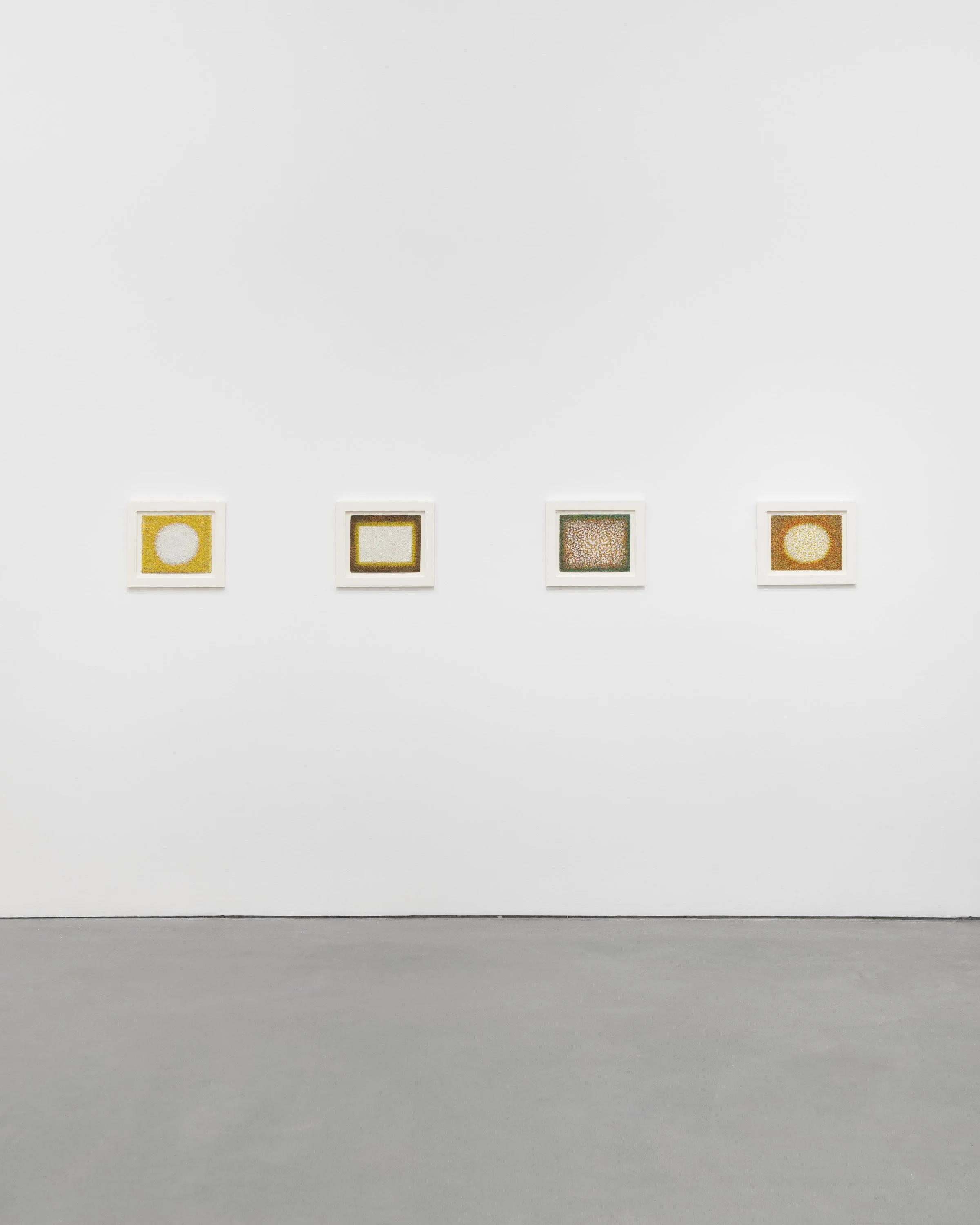
Richard Pousette-Dart: Geometry of Summer 540 West 25th Street, New York, NY 10001 January 16–February 28, 2026 Photography courtesy Pace Gallery
Building on the gallery’s 2022 exhibition Richard Pousette-Dart: 1950s Spirit and Substance in New York, this presentation focuses on the final two decades of the artist’s life, in which he continued to explore the complex relationships between light and form, the physical and the visual, and the body and the spirit. Geometry of Summer will be the seventh exhibition dedicated to Pousette-Dart mounted by Pace since the gallery began representing his estate in 2013.
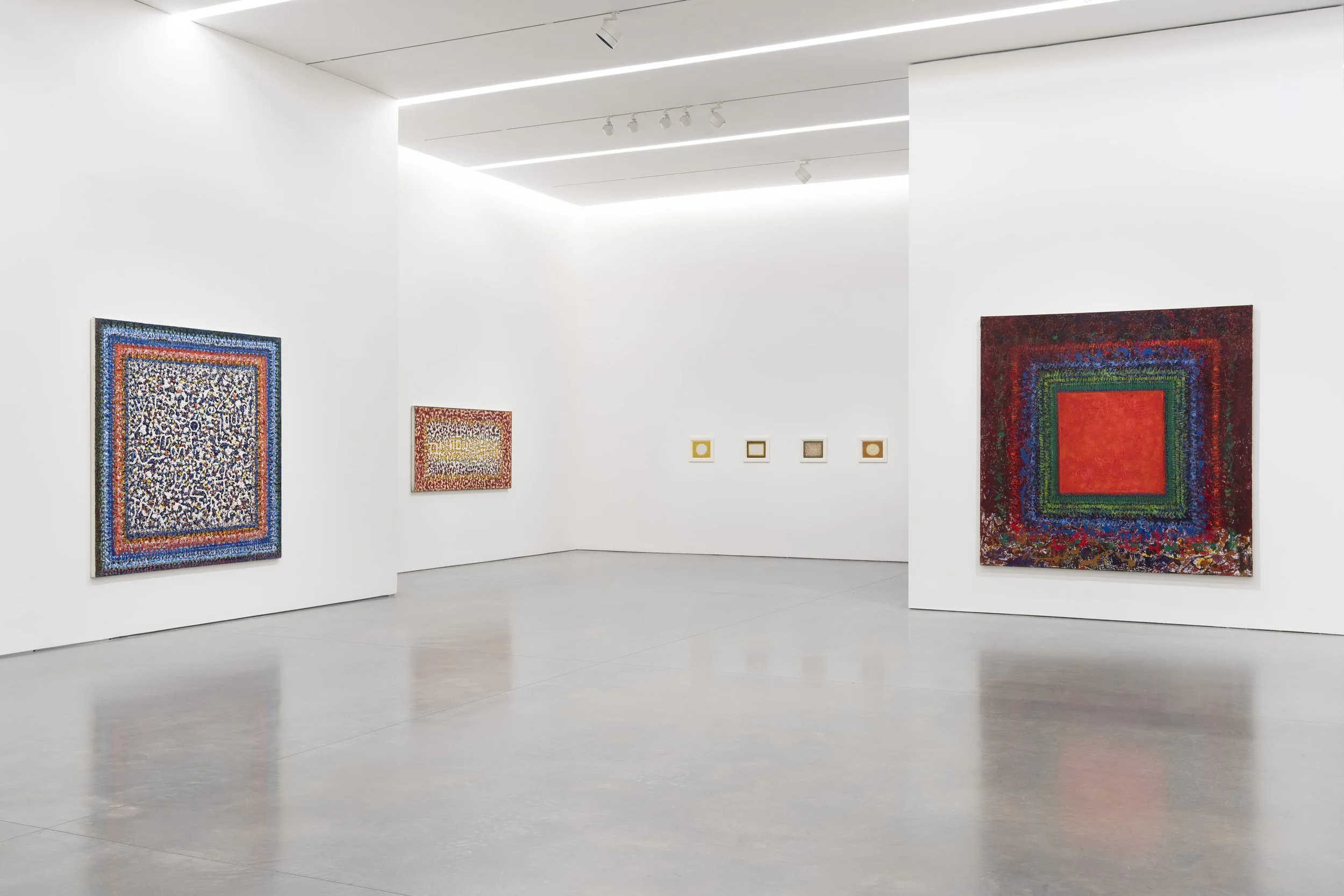
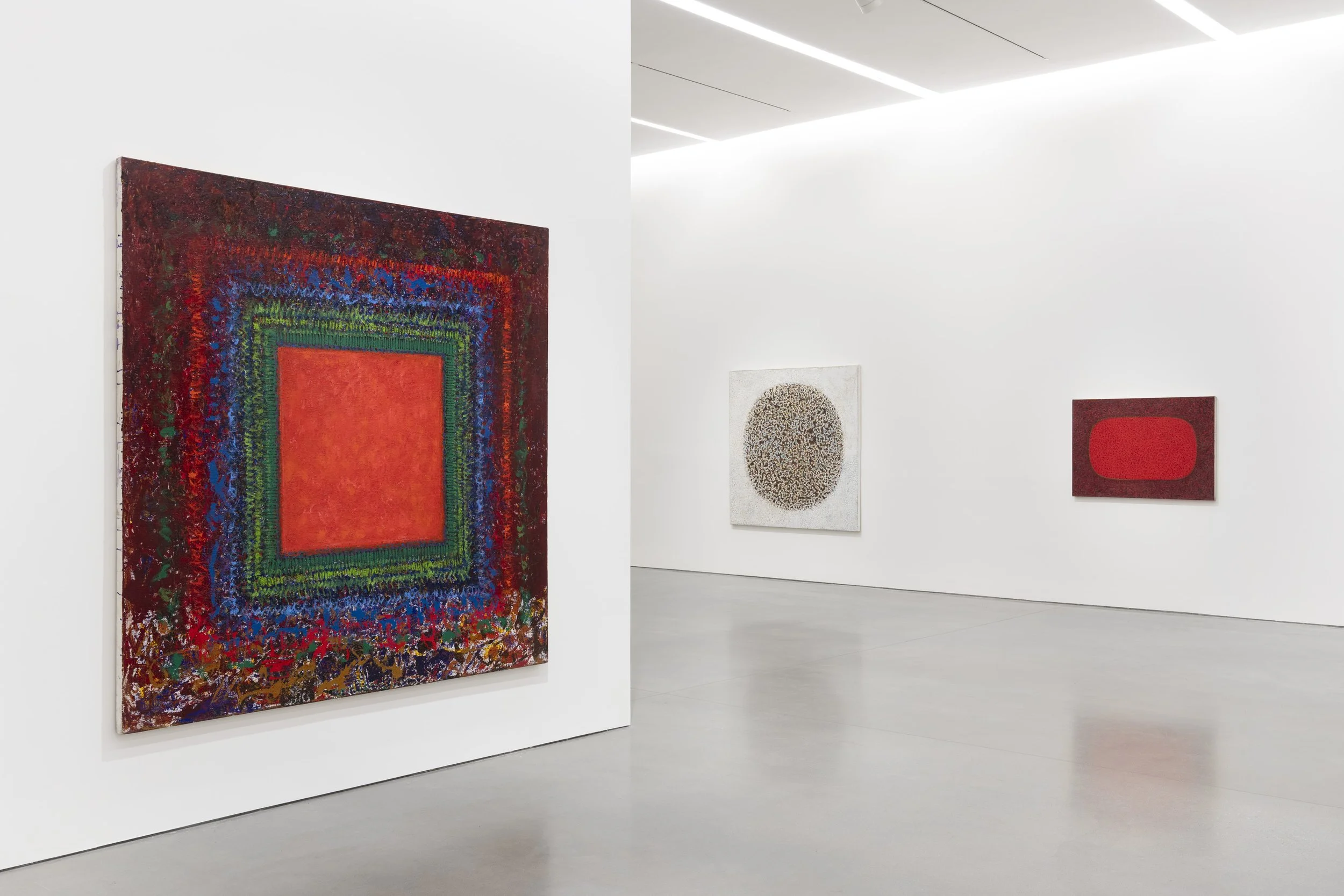
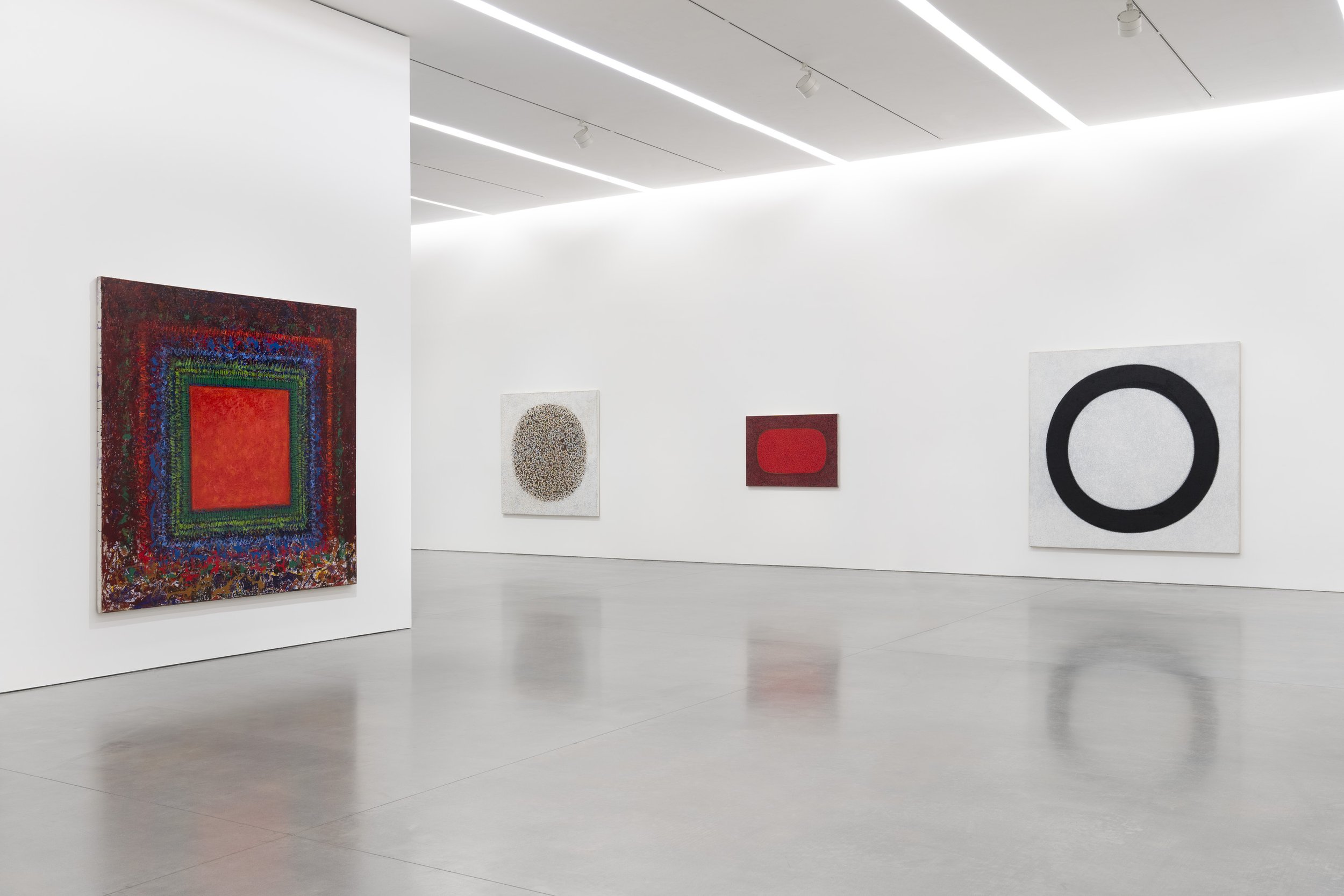
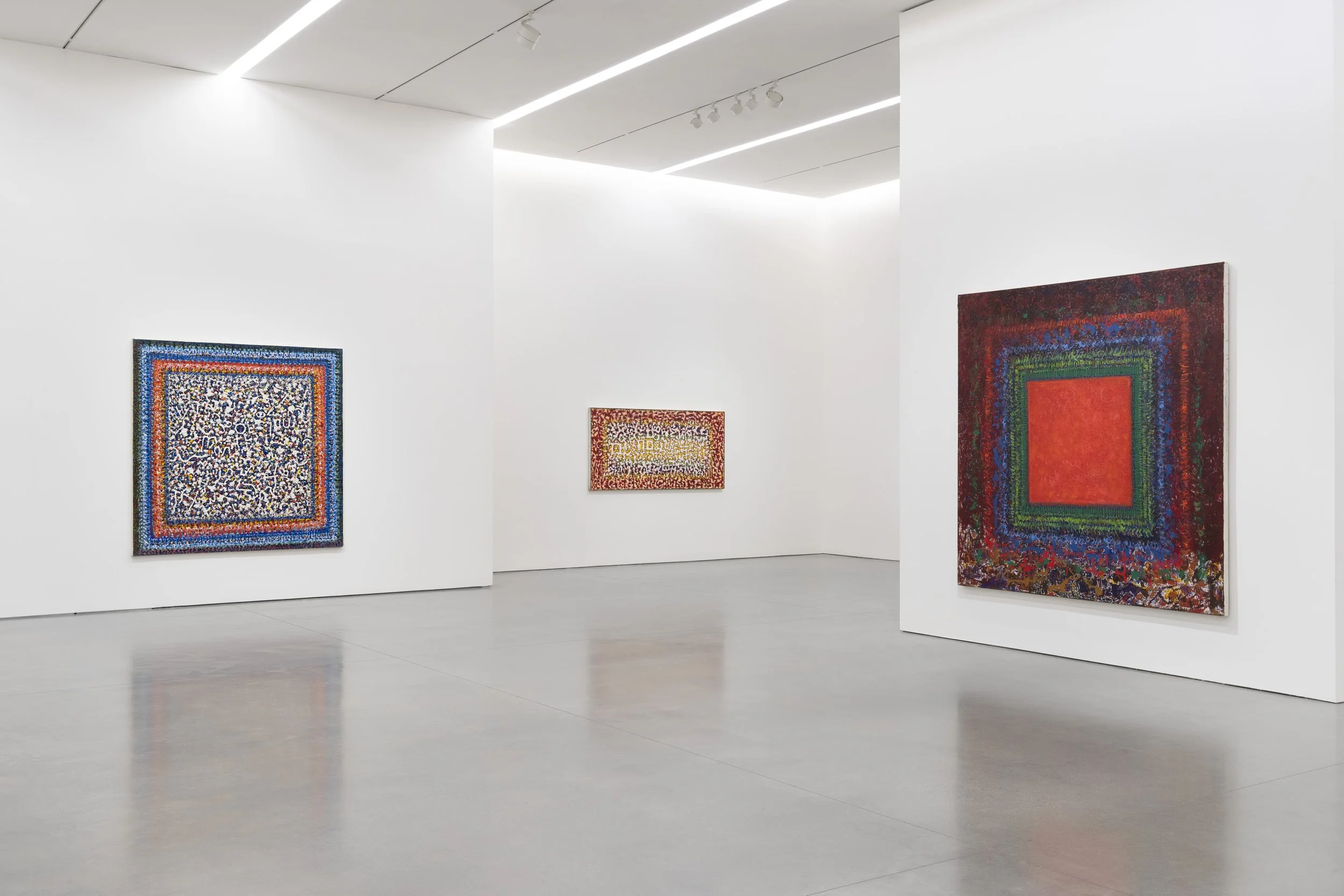
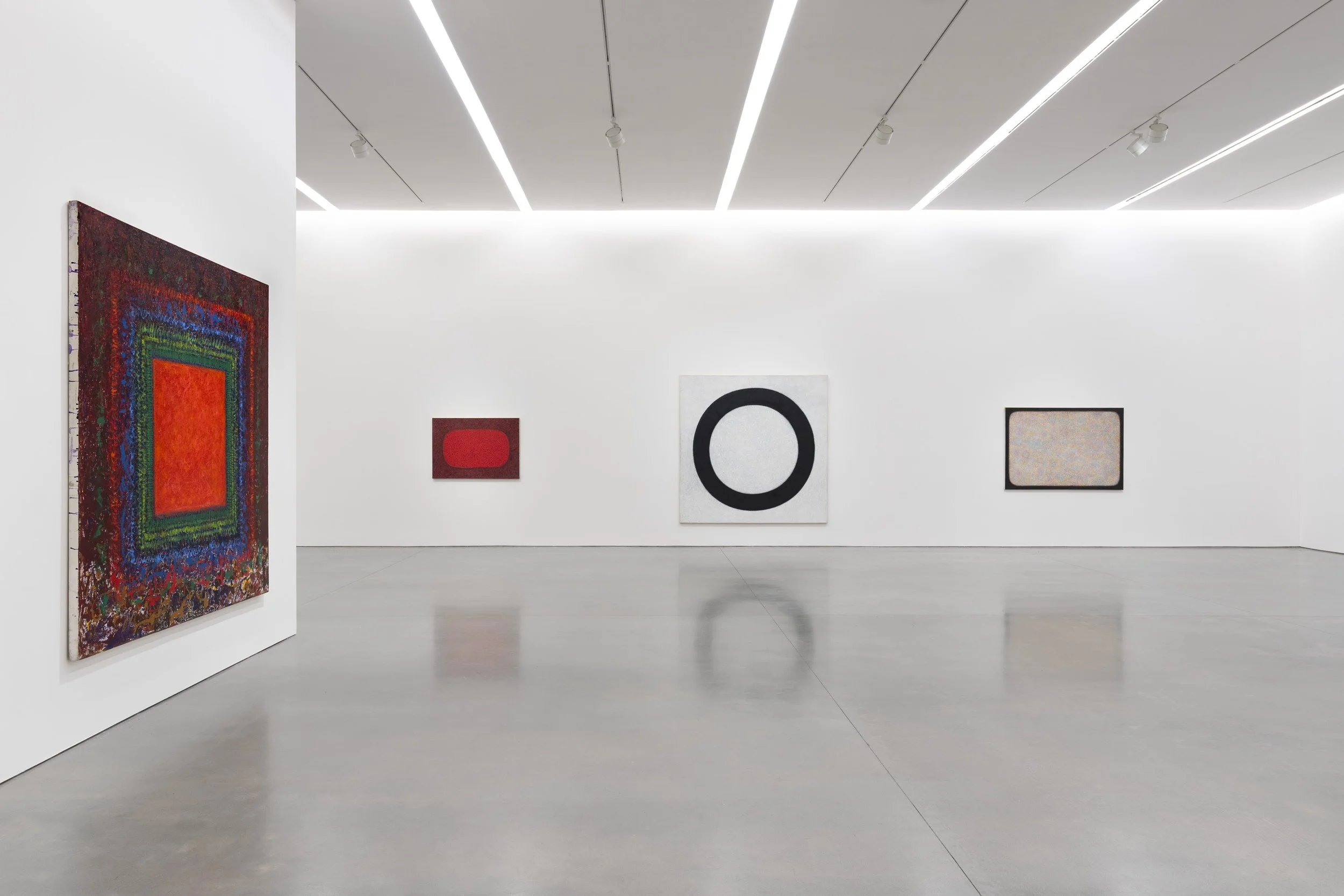
Richard Pousette-Dart: Geometry of Summer 540 West 25th Street, New York, NY 10001 January 16–February 28, 2026 Photography courtesy Pace Gallery
These large-scale paintings emerged from Pousette-Dart’s decades-long exploration of “significant form”— introduced by Clive Bell in his book Art (1914)—as well as his deep interest in signs and symbols derived from a broad range of cultural histories and his own improvisational methods of building up paint surfaces that are at once both highly physical and evocatively illusionistic. Despite their seemingly simple compositions, the works are all arrived at through intuitive and intensely painterly explorations.
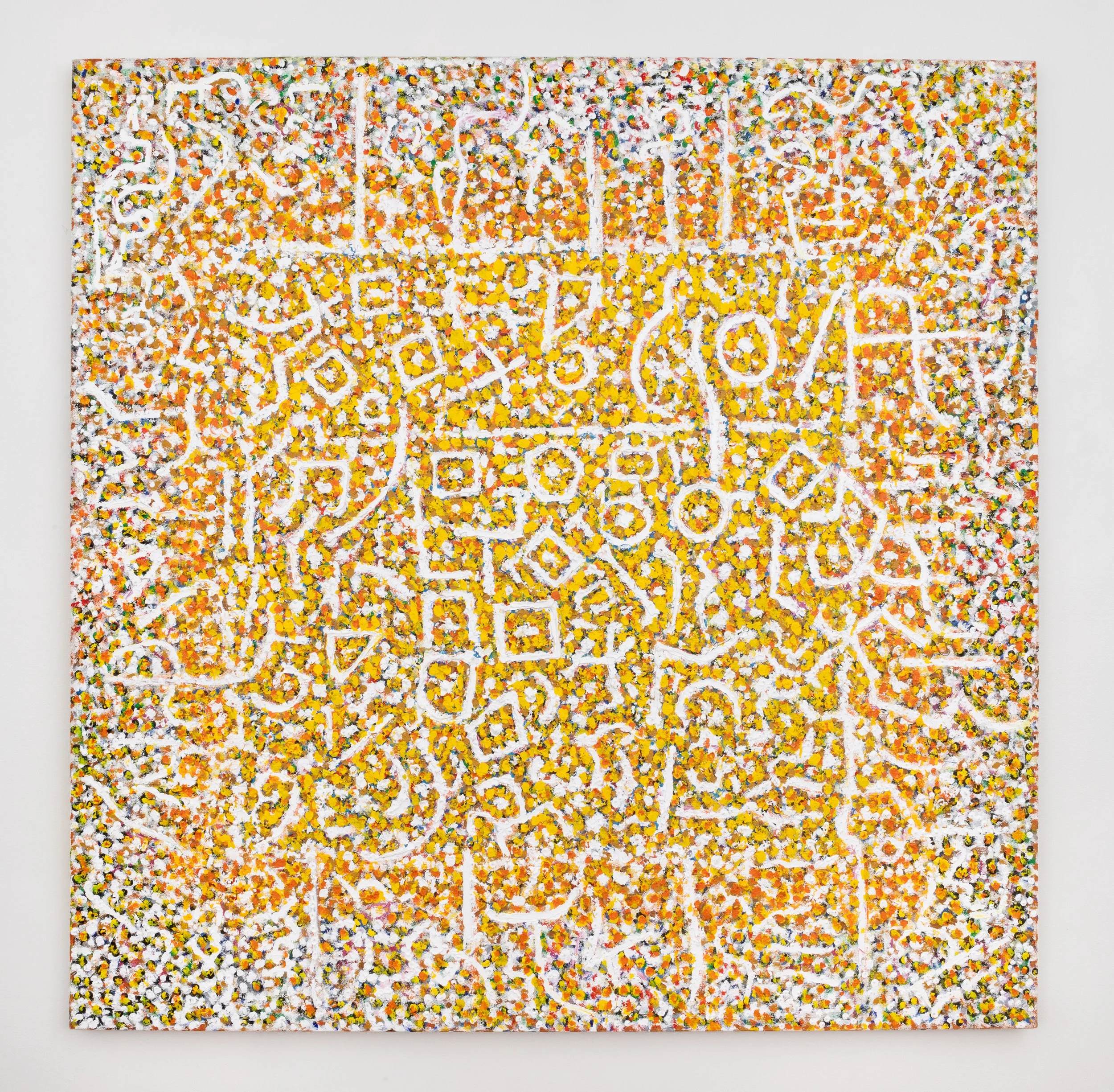
Richard Pousette-Dart Golden Door, 1989-90 acrylic on linen 72" × 72" × 2" (182.9 cm × 182.9 cm × 5.1 cm)
Pousette-Dart’s process always centered on investigations across media, and he refused to reduce his practice to a single style or format. This allowed him to work with various materials in a range of scales that would enrich and enlarge the meaning of his works, from the most elaborately detailed to the most reduced.
Geometry of Summer brings together a selection of paintings in which Pousette-Dart dramatically reduced structural complexity to investigate the generative manifestations of specific forms: triangles, circles, stadia, rectangles, and squares. These vibrant compositions offer a window into his protean, richly diverse output while underscoring his examination of simplified geometric shapes and their ability to carry universal meaning. In Pousette-Dart’s own words, “It does not matter how an artist works, whether he uses circles or squares or flowers or people. . . it is the inner life of the work which breathes and truly means.”
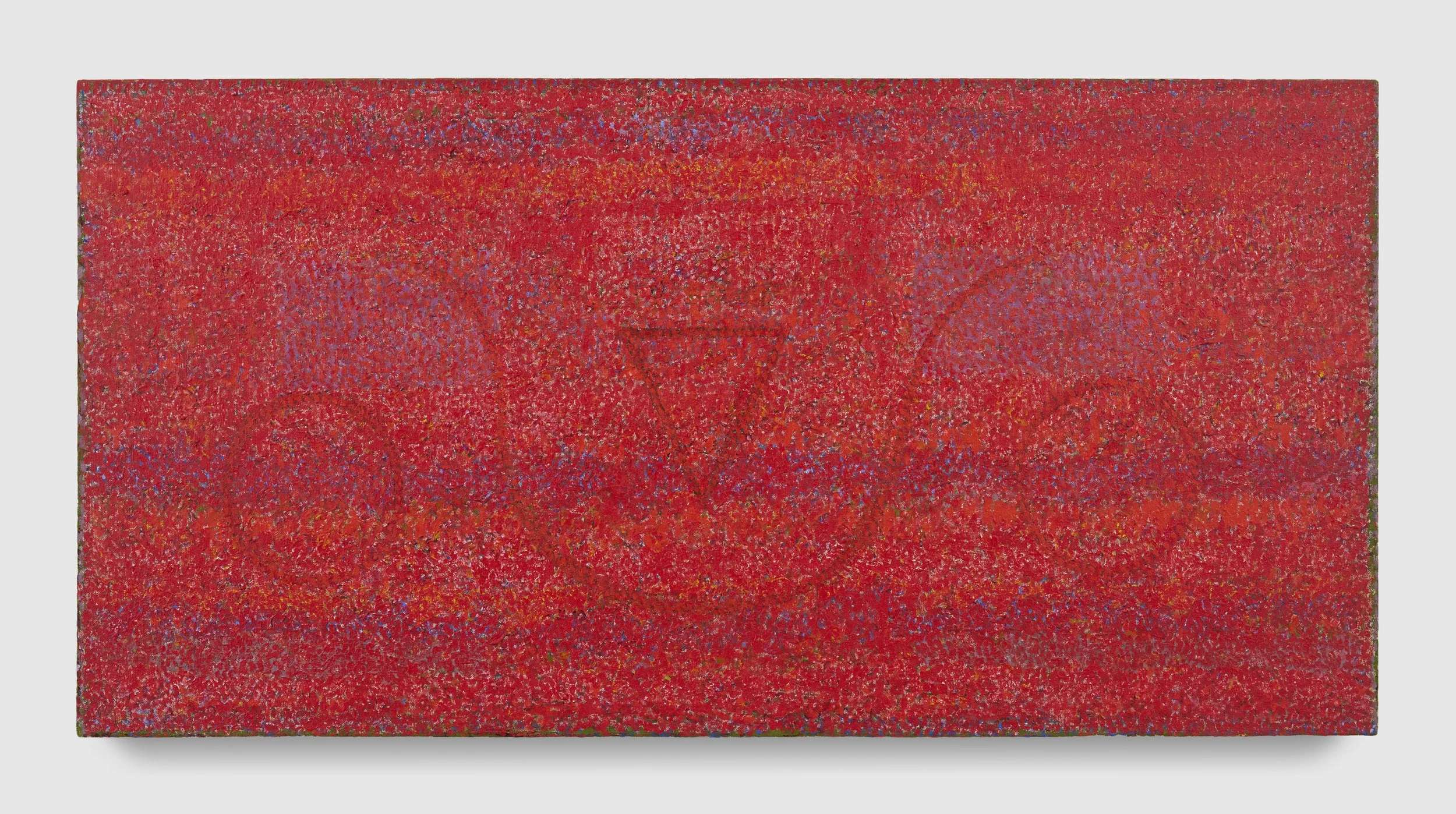
Richard Pousette-Dart Geometry of Summer, 1992 acrylic on linen 40-1/2" × 80-1/4" (102.9 cm × 203.8 cm)
As a young artist, Pousette-Dart began experimenting with elemental forms by hand-cutting and polishing talismanic shapes from plates of brass. These intimate sculptures—his Brasses, which he continued to produce throughout his life— would serve as a lexicon for his painted imagery. The works in Pace’s exhibition combine singular forms, rich gestural surfaces, highly personal mark-making, and subtle gradations of color to imbue geometry with resonant emotion and to celebrate its inherent connection to the natural world. They give form to the way in which we locate ourselves in the world, how we experience it, and, ultimately, how we create meaning from it.
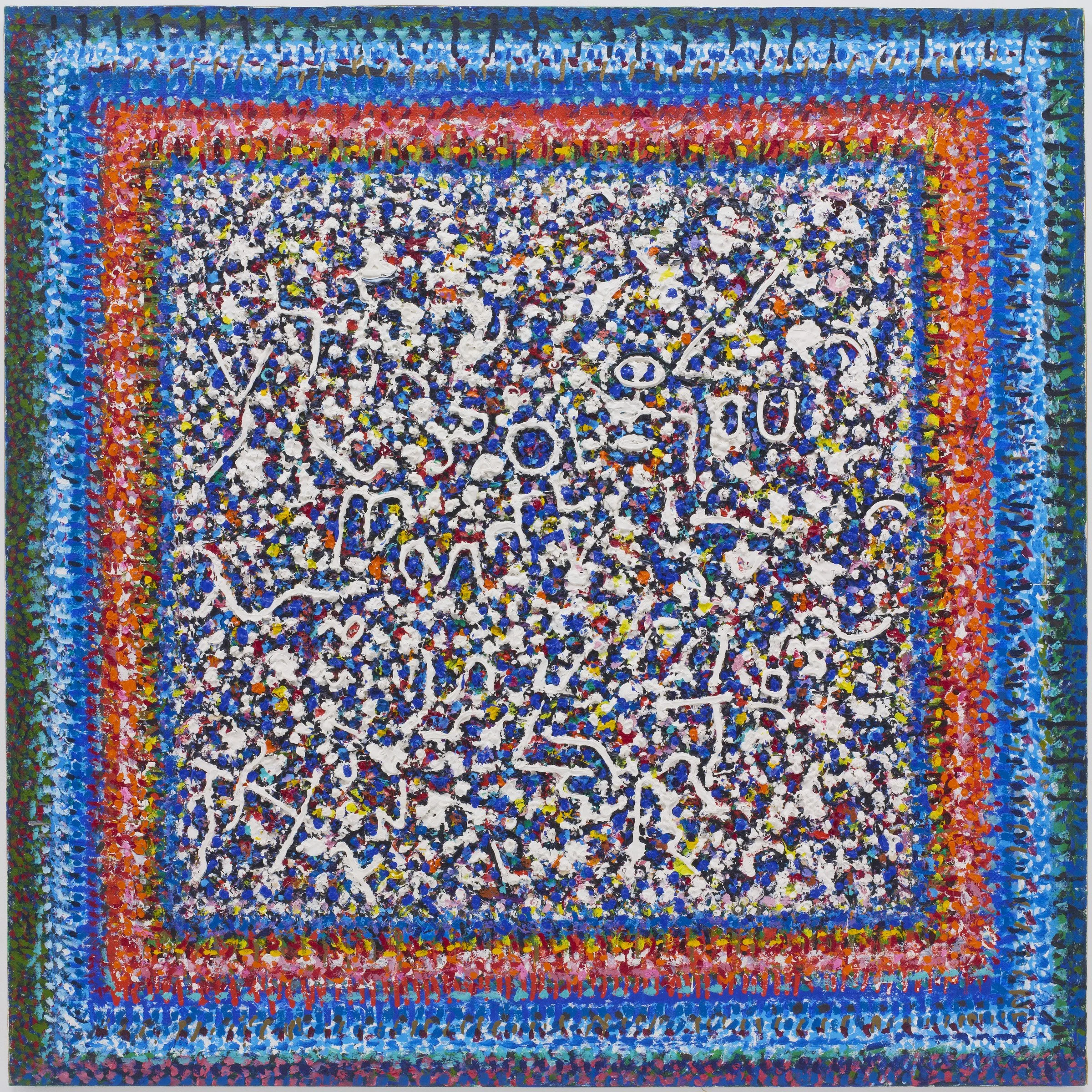
Richard Pousette-Dart Illumination Square, 1983 acrylic on linen 80" x 80" (203.2 cm x 203.2 cm)
The paintings on view in the gallery’s presentation depict pulsating textured surfaces elaborately built up from staccato brush strokes across the color spectrum that converge into confidently assertive forms, as in The Burning Square (1979– 80). These central shapes are stated with bold clarity in some works, while in others, forms emerge slowly to the viewer, as in the painting from which the exhibition takes its name, Geometry of Summer (1992).
On the paintings’ textured surfaces, flecks of white paint move like plays of pulsating light, highlighted with titles like Golden Door (1989–90) and Rising Light (1987–90). The light that emanates from these works, as well as the energized clarity that emerges from seeming fragmentation, links them to the tradition of American Transcendentalism and the writings of Ralph Waldo Emerson and Henry David Thoreau. “I strive for penetration, illumination, a significance of form according to my own changing experience in the universe,” Pousette-Dart once said. These works create a range of tonal and spatial effects evoking nature and its harmonies, a constant source of inspiration throughout his life. The presentation at Pace will run concurrently with Altered States: The Etchings of Richard Pousette-Dart, on view at the New Britain Museum of American Art in Connecticut through April 26, 2026. The artist was also recently the subject of the exhibition Poetry of Light at the Museum Frieder Burda in Baden-Baden, Germany.
Although he avoided affiliation with any particular movement, Richard Pousette-Dart (b. 1916, Saint Paul, Minnesota; d. 1992, New York) is closely associated with the first generation of Abstract Expressionist painters and forged his own path throughout his long career, achieving a cohesive body of work with expressive form, color, and gesture. He participated in the pivotal Subjects of the Artists and Studio 35 groups, which were key to defining the New York School. Pousette-Dart was the first of these artists to create a mural-sized easel work (Symphony No. 1, The Transcendental, 1941–42, now at The Metropolitan Museum of Art, New York), prior to other Abstract Expressionists’ adoption of large formats. He drew inspiration from varied sources including Native American and Oceanic art, as well as Asian philosophy and American Transcendentalism. Never embracing action painting and instead pursuing his own aesthetic, Pousette-Dart aspired to universal significance in his art, expressed through nonobjective means.
Pousette-Dart’s work is held in over seventy public collections worldwide, including the Art Institute of Chicago; Buffalo AKG Art Museum, New York; Hirshhorn Museum and Sculpture Garden, Smithsonian Institution, Washington, D.C.; The J. Paul Getty Museum, Los Angeles; Los Angeles County Museum of Art; The Metropolitan Museum of Art, New York; Musée d’Art Moderne et Contemporaine de Strasbourg, France; Museo Nacional Thyssen-Bornemizsa, Madrid; Museum of Fine Arts, Boston; Museum of Fine Arts, Houston; The Museum of Modern Art, New York; mpk – Museum Pfalzgalerie Kaiserslautern, Germany; National Gallery of Art, Washington, D.C.; Peggy Guggenheim Collection, Venice; Philadelphia Museum of Art; Schirn Kunsthalle, Frankfurt; Solomon R. Guggenheim Museum, New York; Tel Aviv Museum of Art, Israel; Vatican Museums, Vatican City; Whitney Museum of American Art, New York; and Yale University Art Gallery, New Haven, Connecticut, among many others.
Pace is a leading international art gallery representing some of the most influential contemporary artists and estates from the past century, holding decades-long relationships with Alexander Calder, Jean Dubuffet, Barbara Hepworth, Agnes Martin, Louise Nevelson, and Mark Rothko. Pace enjoys a unique U.S. heritage spanning East and West coasts through its early support of artists central to the Abstract Expressionist and Light and Space movements.
Since its founding by Arne Glimcher in 1960, Pace has developed a distinguished legacy as an artist-first gallery that mounts seminal historical and contemporary exhibitions. Under the current leadership of CEO Marc Glimcher, Pace continues to support its artists and share their visionary work with audiences worldwide by remaining at the forefront of innovation. Now in its seventh decade, the gallery advances its mission through a robust global program— comprising exhibitions, artist projects, public installations, institutional collaborations, performances, and interdisciplinary projects. Pace has a legacy in art bookmaking and has published over five hundred titles in close collaboration with artists, with a focus on original scholarship and on introducing new voices to the art historical canon.
Today, Pace has seven locations worldwide, including European footholds in London and Geneva as well as Berlin, where the gallery established an office in 2023. Pace maintains two galleries in New York—its headquarters at 540 West 25th Street, which welcomed almost 120,000 visitors and programmed 20 shows in its first six months, and an adjacent 8,000 sq. ft. exhibition space at 510 West 25th Street. Pace’s long and pioneering history in California includes a gallery in Palo Alto, which was open from 2016 to 2022. Pace’s engagement with Silicon Valley’s technology industry has had a lasting impact on the gallery at a global level, accelerating its initiatives connecting art and technology as well as its work with experiential artists. Pace consolidated its West Coast activity through its flagship in Los Angeles, which opened in 2022. Pace was one of the first international galleries to establish outposts in Asia, where it operates permanent gallery spaces in Hong Kong and Seoul, along with an office and viewing room in Beijing. In spring 2024, Pace will open its first gallery space in Japan in Tokyo’s new Azabudai Hills development.
For more information about this exhibition and others, please visit the Pace Gallery’s website here. Pace Gallery can be found on Instagram and Artsy, too.