Lee Lozano. Hard Handshake
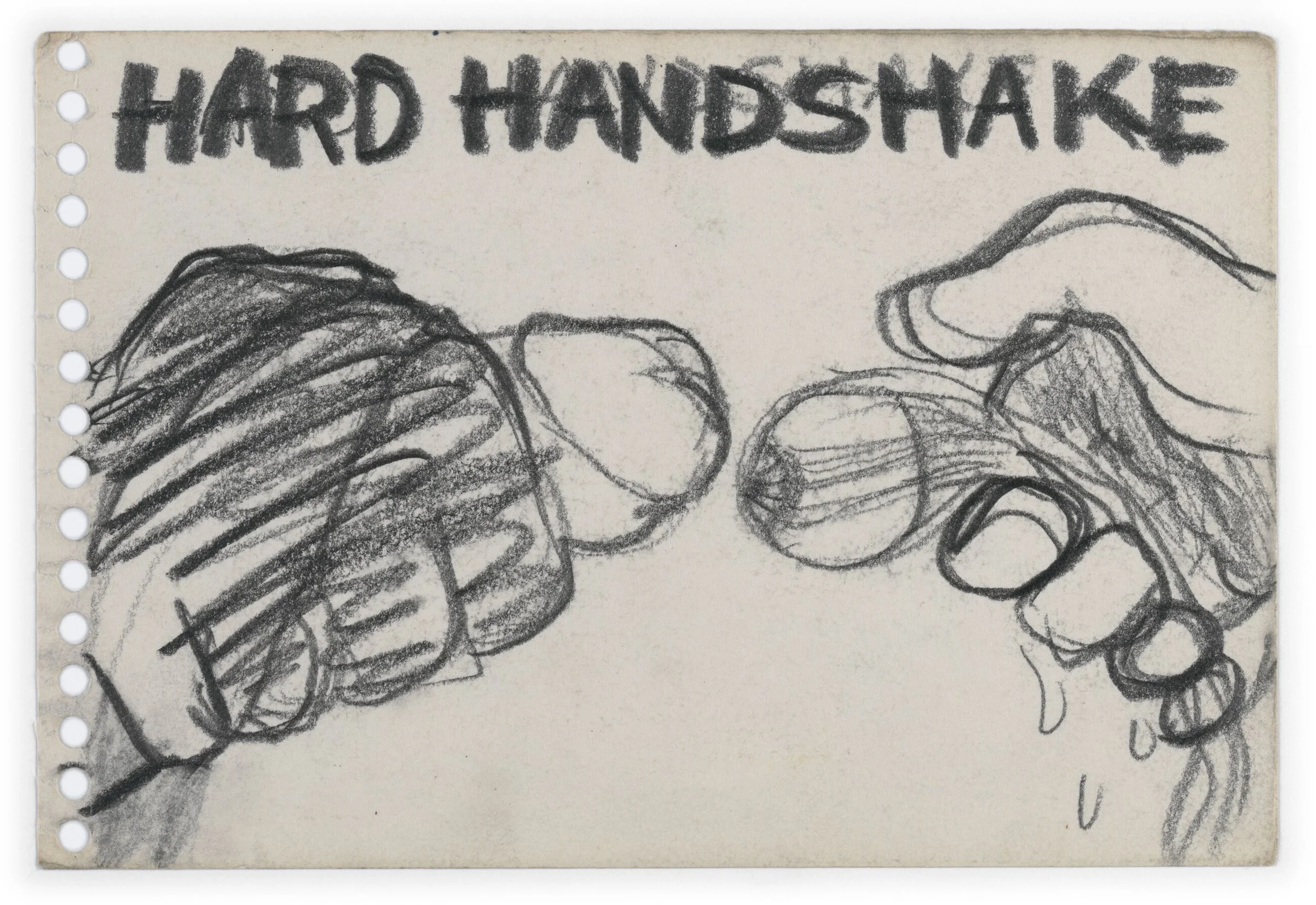
Lee Lozano No title 1962 Graphite on paper 10.2 x 15.2 cm / 4 x 6 in © The Estate of Lee Lozano Courtesy Hauser & Wirth Photo: Barbora Gerny
Los Angeles... As the first major exhibition in Los Angeles dedicated to Lee Lozano, ‘Hard Handshake’ brings together over one hundred drawings by the artist, spanning the years 1959 to 1968. Lozano made these provocative drawings at a remarkably fast pace, using a variety of artistic styles. Informed by the artist’s unsparing eye and wry humor, they dissect such societal norms as gender roles and property ownership while challenging the commodification of art and, ultimately, all conventional aspects of life. Shown together, Lozano’s drawings embody her unbridled energy and social consciousness, radical for their time, and continue to provoke questions today. Although rarely exhibited during her lifetime, this body of work is instrumental to understanding the singular trajectory of Lozano’s practice.
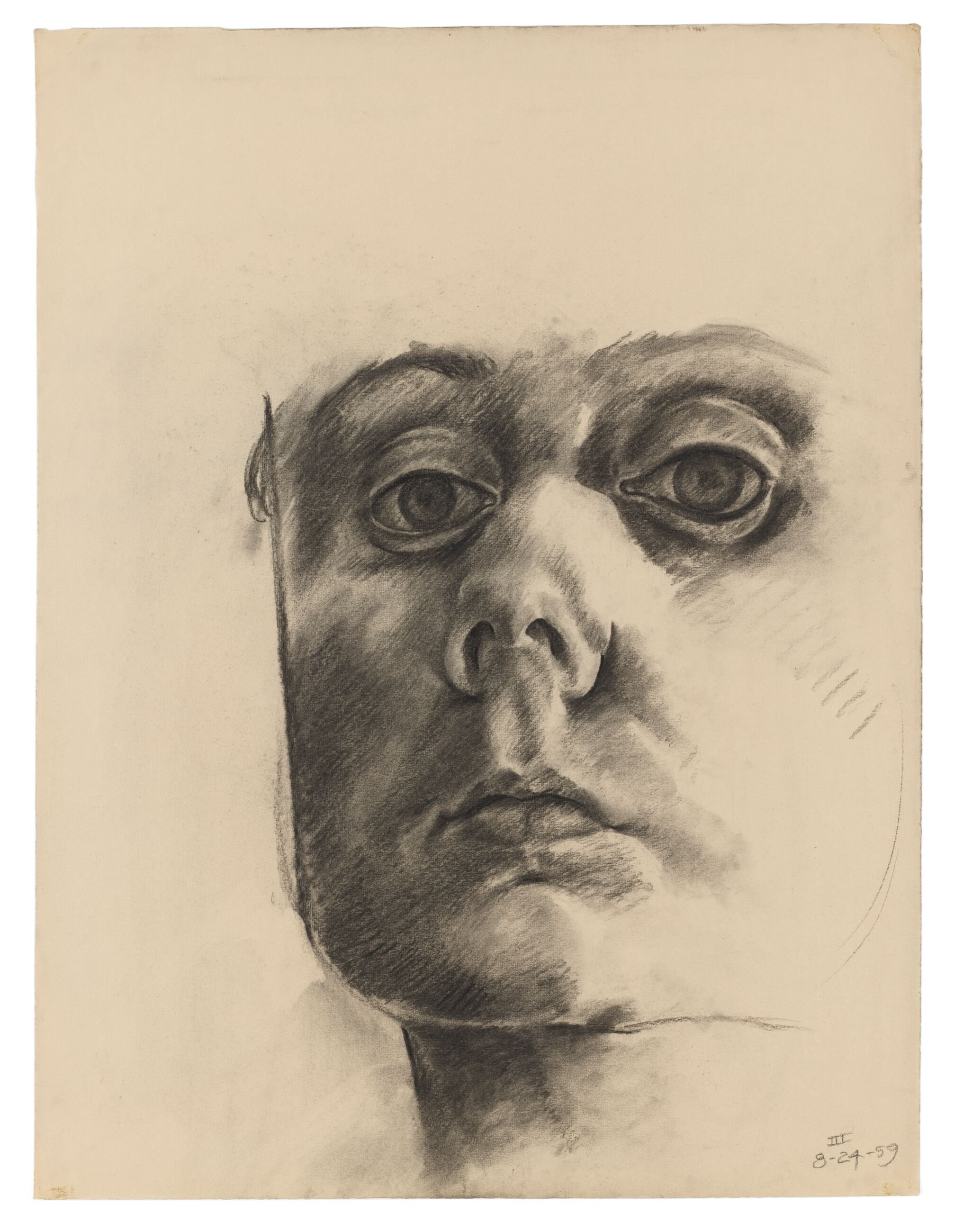
Lee Lozano No title 1959 Charcoal on paper 63.5 x 48 cm / 25 x 18 7/8 in © The Estate of Lee Lozano Courtesy Hauser & Wirth Photo: Stefan Altenburger Photography Zürich
The selection on view begins with the artist’s 1959 fervent self-portraits and macabre anatomical studies of male torsos and grinning skulls. These early works, which coincided with her time as a student at the Art Institute of Chicago, exude an eeriness and irreverence that prefigure the work Lozano would make after arriving in New York at the end of 1960. Moving to a downtown Manhattan loft catalyzed a personal creative evolution that first materialized in a series of studio drawings, executed in rapid succession, centered around blunt, grotesque portrayals of the human body. Fragmented body parts—distorted heads, wide-open grins, phallic noses, genitalia—appear within claustrophobic compositions featuring anthropomorphized objects such as drains, traffic lights and fuse boxes. Combining elements of expressionism, surrealism and pop, Lozano quickly developed a striking personal iconography in a deep exploration and ultimate subversion of conventional notions of power and progress.
Lozano’s works during this time frequently incorporated text as well—tongue-in-cheek slogans drawn from advertising and popular culture, forcefully rendered in black letters across images of body parts, religious symbols, pipes and other libidinally charged objects. In these works, text and image form a complex network of associations that mine social, sexual, and political mores. In the years 1962 to 1963, Lozano’s lexicon expanded to include anthropomorphic airplanes and tools. Airplanes, in particular, began whizzing around her compositions with heightened symbolic force, serving both as representations of masculine intrusions into feminine space and as metaphors for the raw, uninhibited energy essential to creative activity.
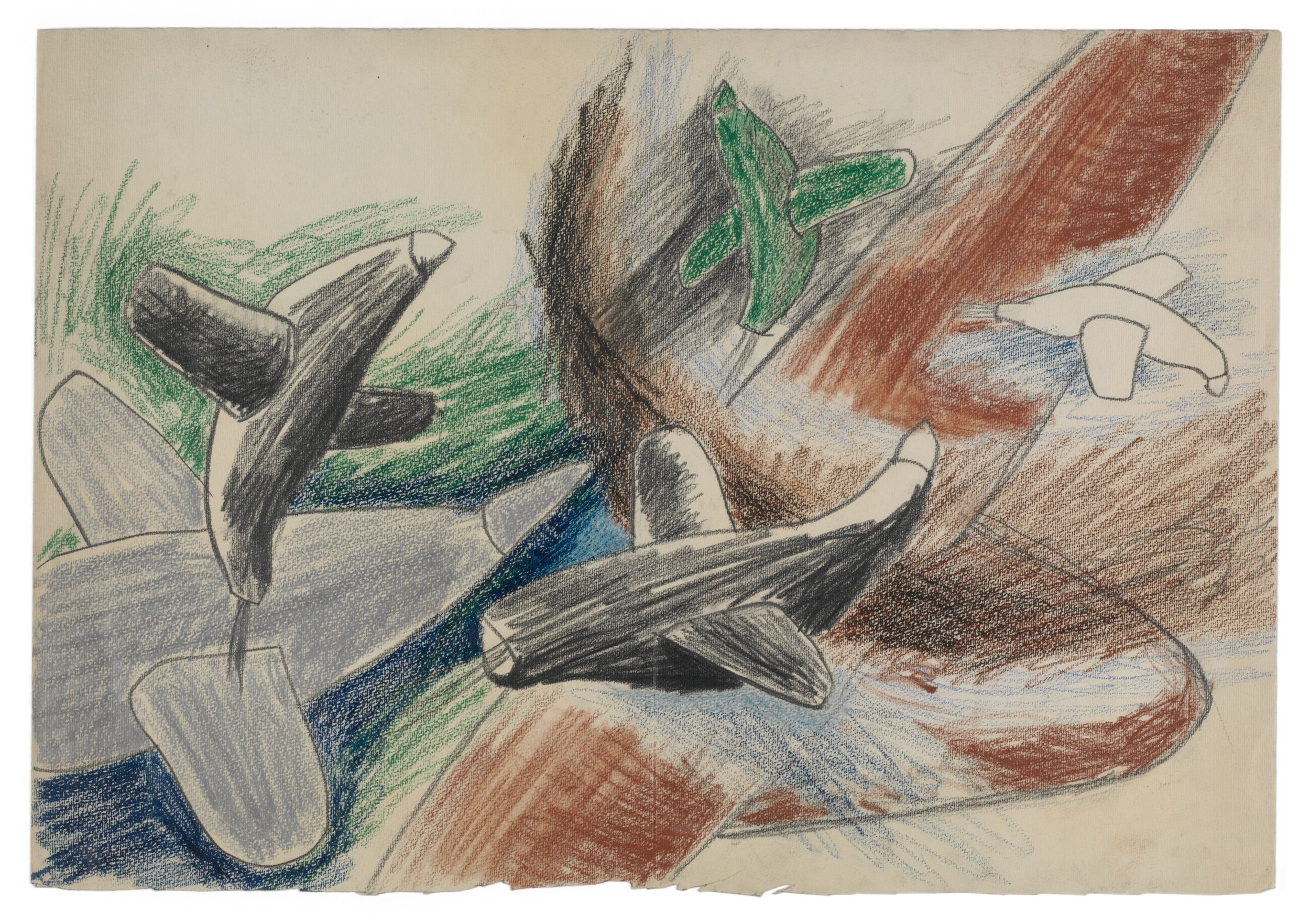
Lee Lozano No title 1962-1963 Graphite and crayon on paper 36 x 51.8 cm / 14 1/8 x 20 3/8 in © The Estate of Lee Lozano Courtesy Hauser & Wirth Photo: Barbora Gerny
Around 1964, Lozano abandoned humorous textual interplay and ribald imagery in favor of unadorned depictions of tools. Various hardware associated with male power and productivity—screwdrivers, bolts, wrenches, clamps, hammers—became grounds for both formal and symbolic exploration. Emphasizing the sexual undertones these objects possess, Lozano’s tool drawings highlight the inherent violence of desire and the erotic tension endemic to a union of the mechanical and the organic.
By 1965, Lozano’s work had become more minimalist and geometric, increasingly focused on how to represent energy as form. Her notebooks from this period document a strong interest in various energy phenomena and the fields of quantum mechanics and cosmology. In preliminary sketches for a series of large-scale canvases, cones and cylinders delineated within a singular rectangular frame act as agents of speed, suggesting accelerated movement. Although sleeker and absent of the caricature-like quality of many of her earlier drawings, these works are charged with a similar undercurrent of motion and creative force. Lozano’s exploration of energy marked the final chapter of her artistic pursuits, culminating in her iconic ‘Wave Paintings,’ a powerful testament to her rare vision, intellect and intensity.
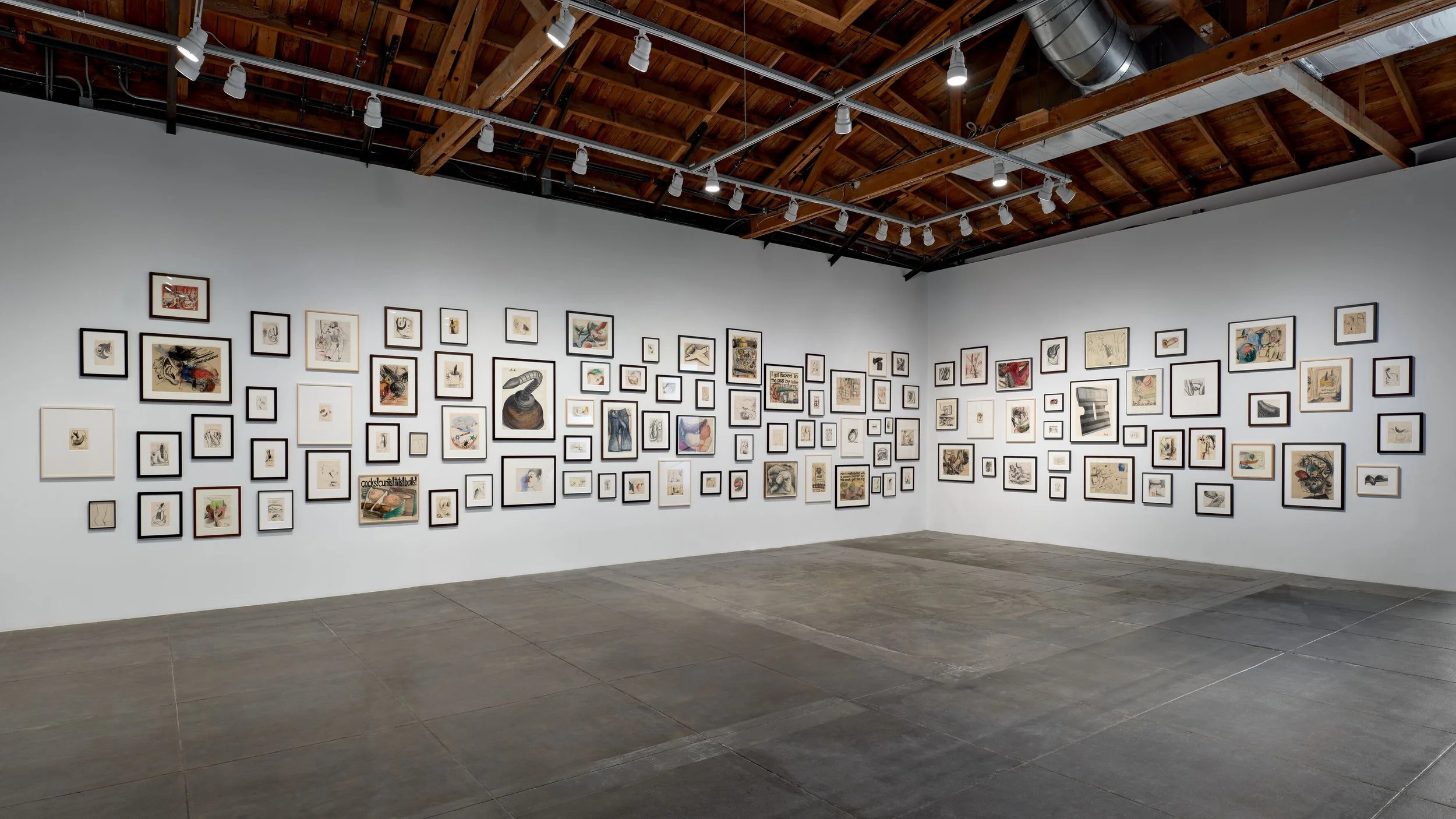
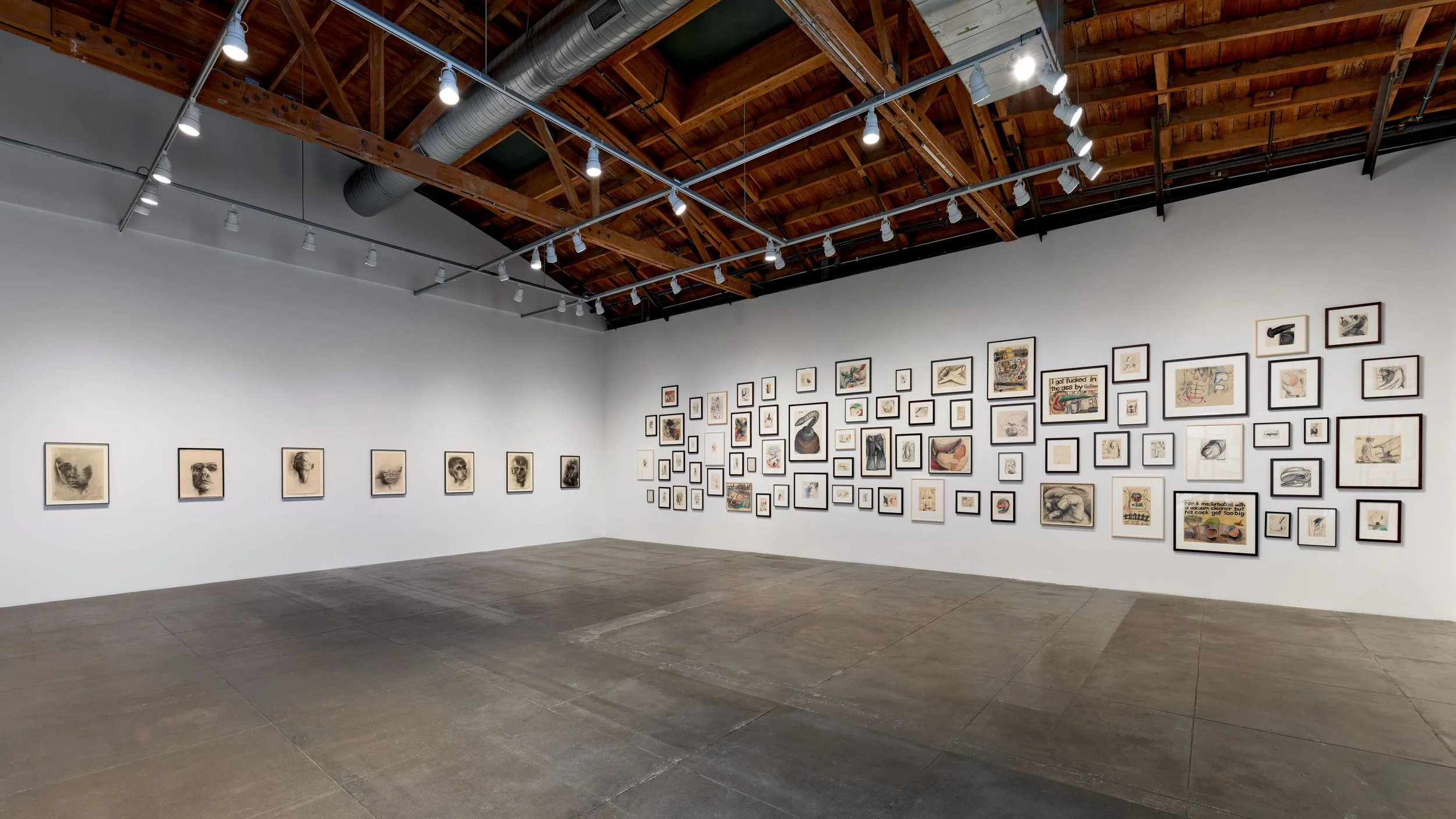
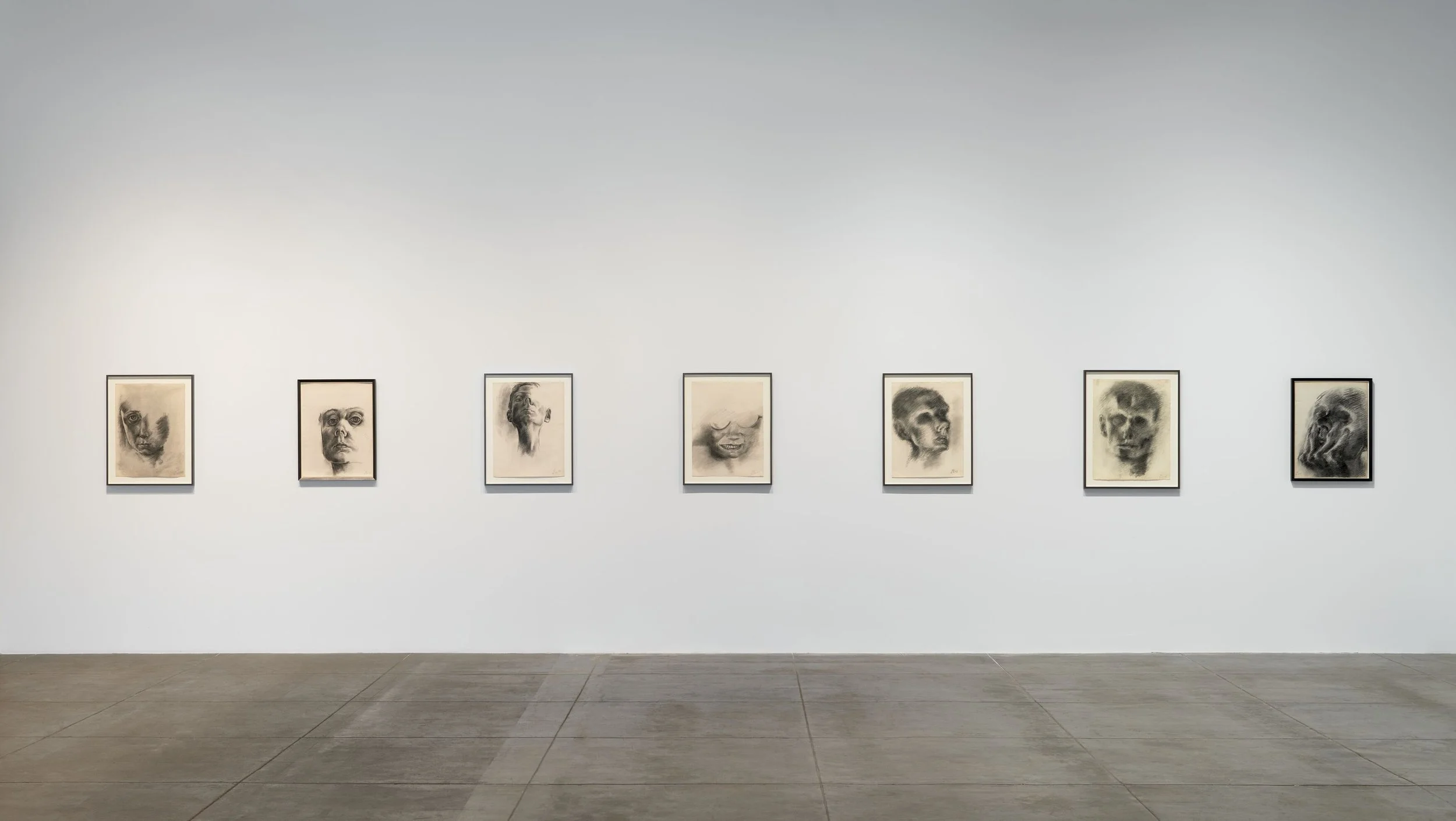
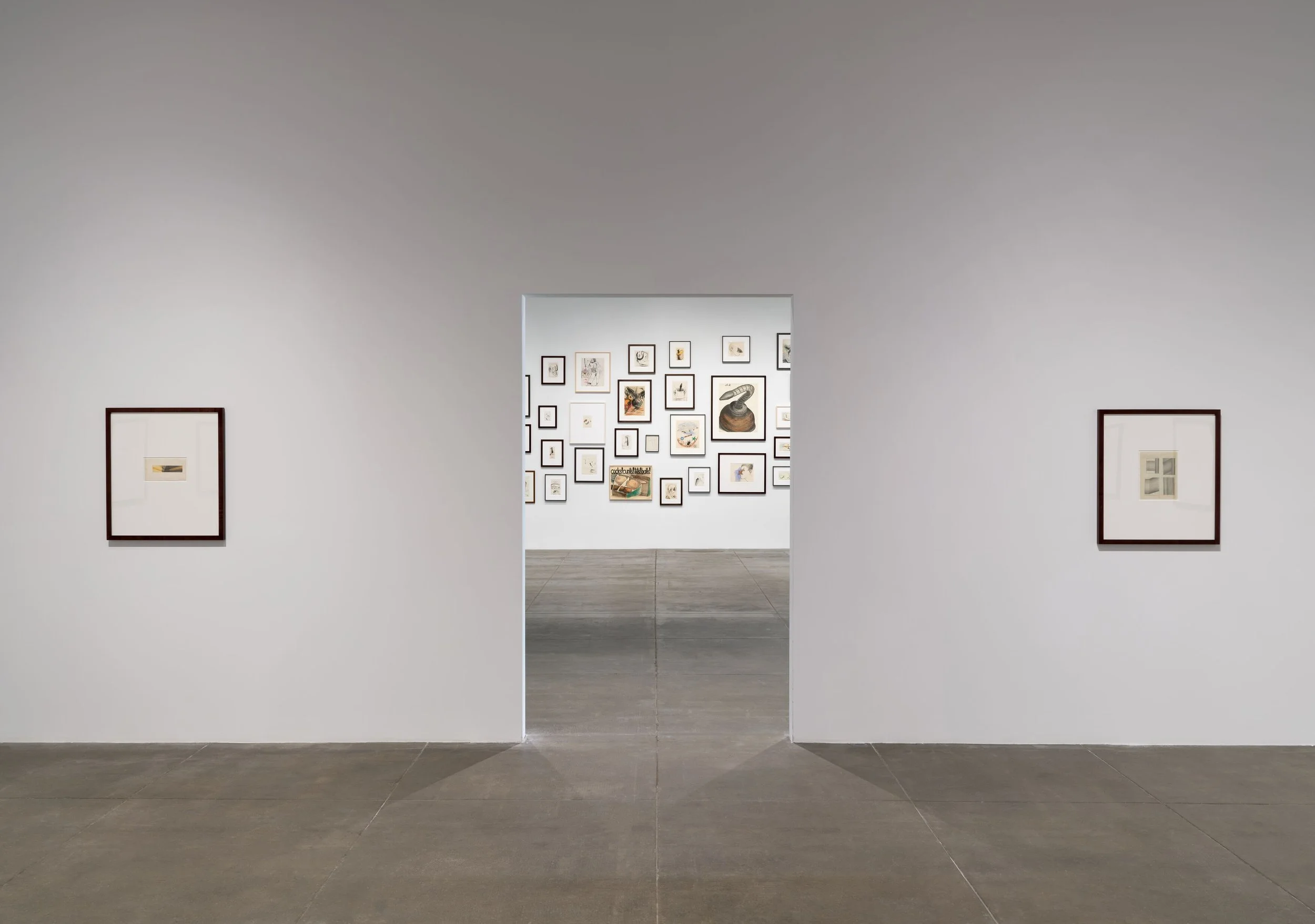
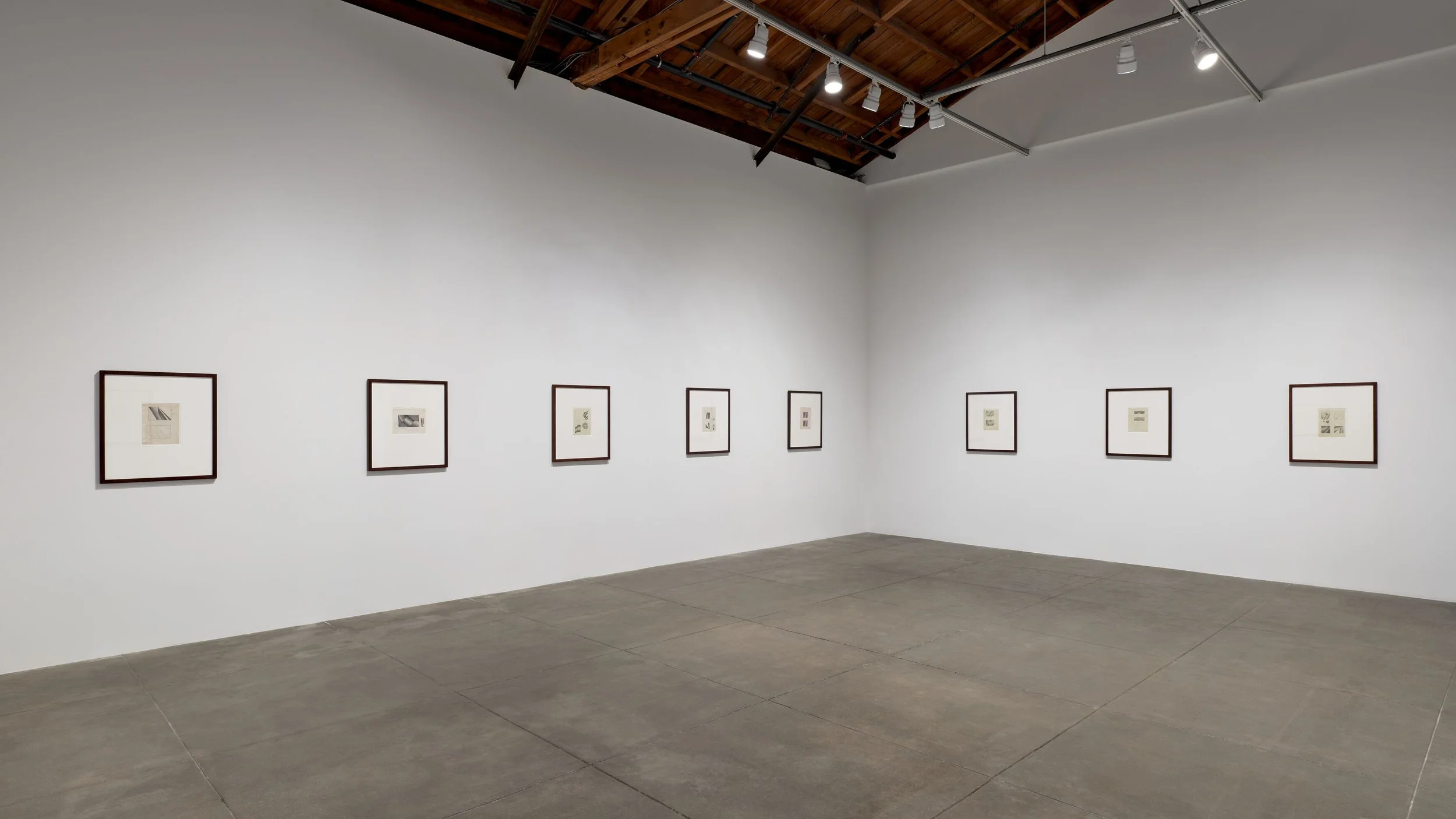
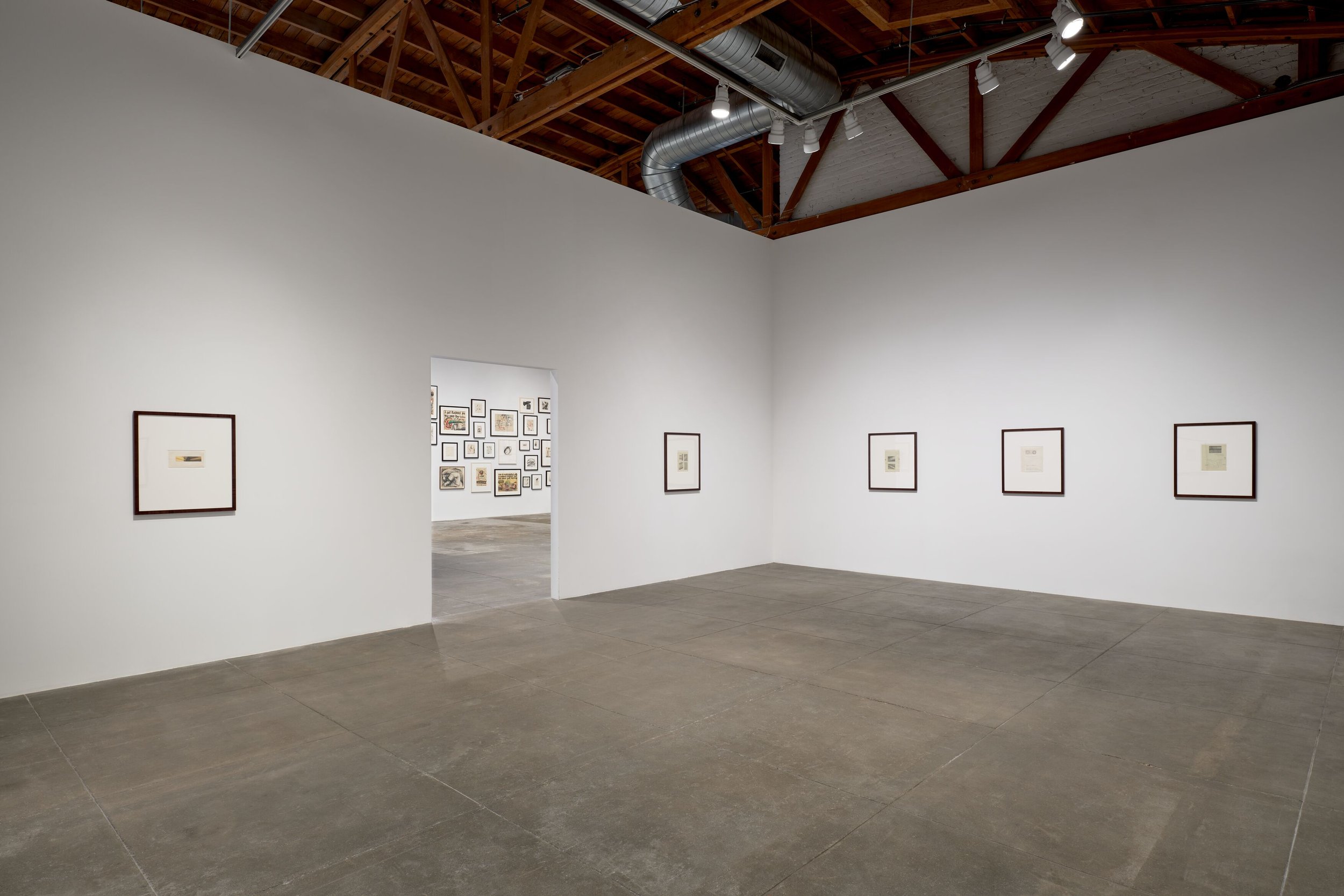
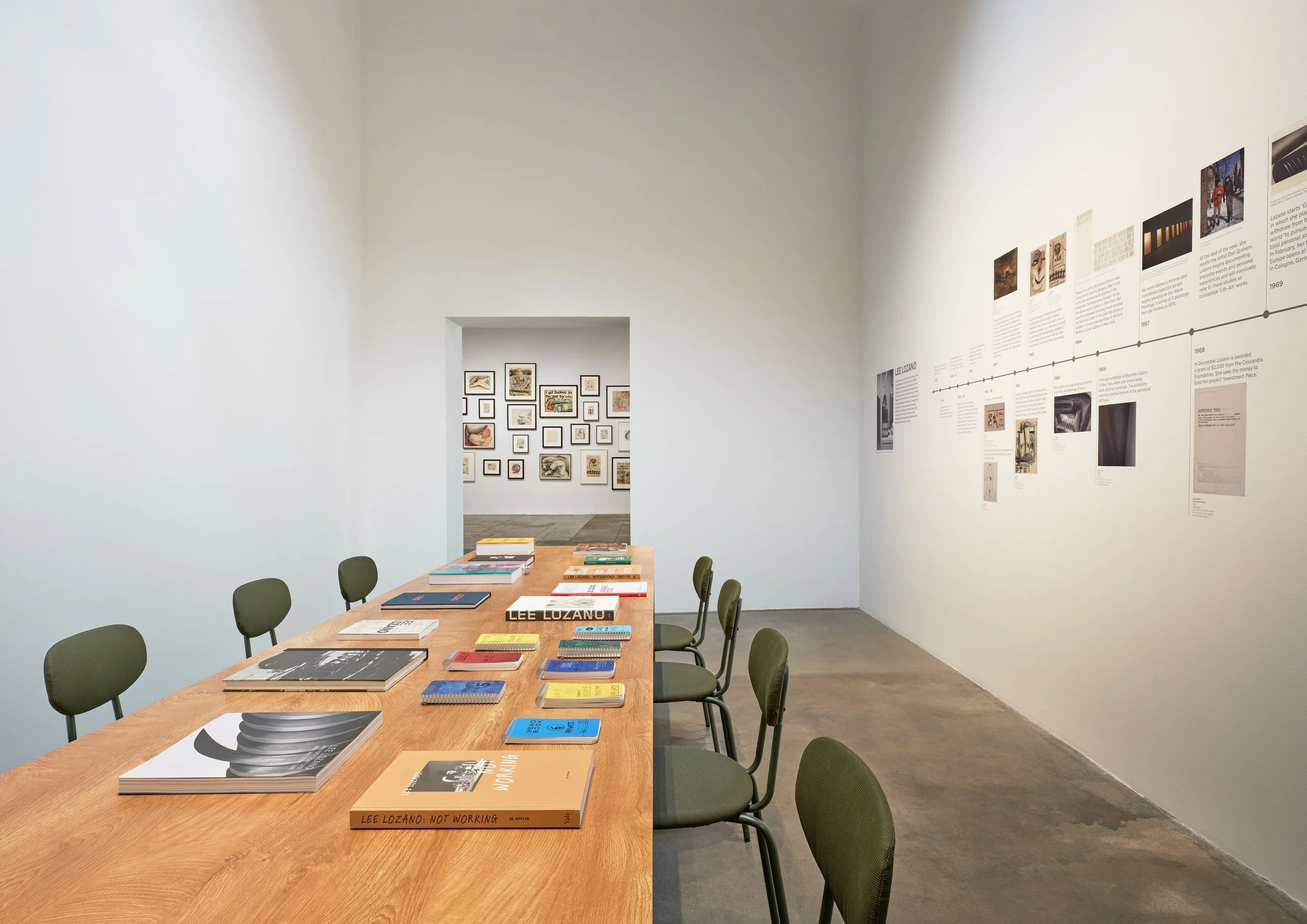
Installation view, ‘Lee Lozano. Hard Handshake,’Hauser & Wirth Downtown Los Angeles 30 October 2025–18 January 2026 © The Estate of Lee Lozano Courtesy Hauser & Wirth Photo: Keith Lubow
About the artist
Lee Lozano (1930 – 1999) is one of the most innovative artists to have worked in America during the 1960s. Throughout her oeuvre, which spans a little more than a decade, she produced ground-breaking work in a progression of styles, from the figurative and cartoonish pop-expressionism of her early paintings and drawings, through serial minimalism, to her Language Pieces, which led to a conceptual practice that she continued for the rest of her life.
After graduating from the Art Institute of Chicago and settling in downtown New York in 1960, Lozano quickly entered circles of like-minded artists and actively contributed to the developing art scene at the time. She began showing her work at influential New York institutions such as Richard Bellamy’s Green Gallery, the Bianchini Gallery, the Whitney Museum of American Art and Gallery Ricke in Cologne, Germany. In February 1969 she commenced her ‘General Strike Piece,’ in which she withdrew from the art world ‘to pursue investigations of total personal and public revolution.’ This was followed by one further act of withdrawal, the decision to boycott all relations with other women. What began as a short-term experiment to improve communication with women resulted in a rejection of all members of her own gender—and, by the same token, of early forms of feminism—that lasted for the remainder of her life. However, the uncompromising and vigorous richness of Lozano’s creative output continues to have a profound impact on generations of contemporary artists, firmly placing her as a cult figure within the historical canon of American Art.
Major exhibitions of Lozano’s work have been held at the Wadsworth Atheneum, Hartford CT (1998); MoMA PS1, New York NY (2004); Kunsthalle Basel, Switzerland (2006); Van Abbemuseum, Eindhoven, Netherlands (2006); Kunsthalle Wien, Vienna, Austria (2006); Moderna Museet, Stockholm, Sweden (2010); Museo Nacional Centro de Arte Reina Sofía, Madrid, Spain (2017); The Fruitmarket Gallery, Edinburgh, Scotland (2018); Kunstforeningen Gl Strand, Copenhagen, Denmark (2022); Bourse de Commerce – Pinault Collection, Paris, France (2023); Pinacoteca Agnelli, Turin, Italy (2023). Lozano’s work was presented at documenta 12 in Kassel, Germany in 2007.
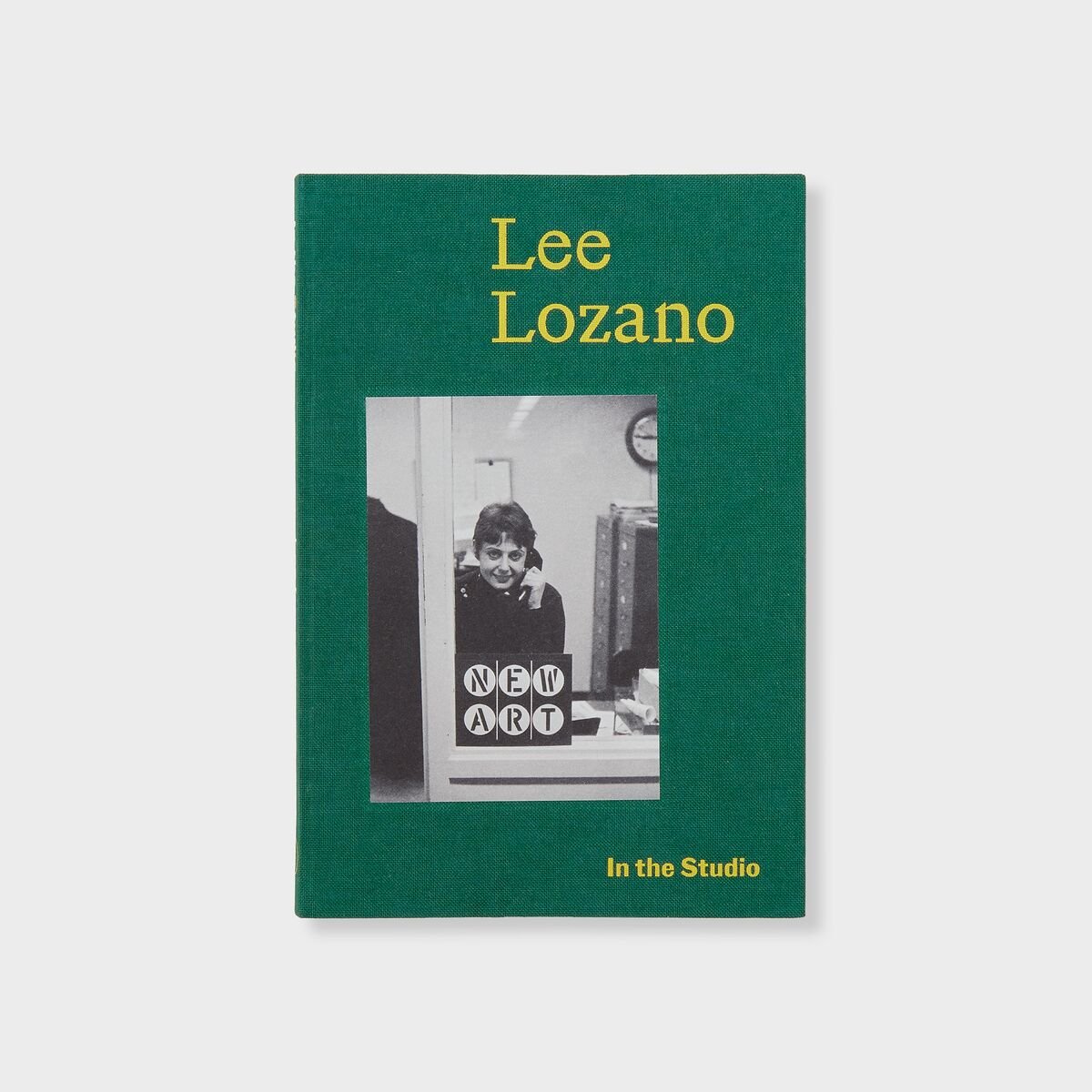
Cover of ‘In the Studio: Lee Lozano’ (2025), Hauser & Wirth Publishers
Hauser & Wirth Publishers
In the Studio: Lee Lozano
English
Clothbound
7.28 x 4.92 in / 18.5 x 12.5 cm; 152 pgs
$21.95 / £18.99 / €20.00
30 September 2025
Text by Lucrezia Calabrò Visconti
The latest installment in Hauser & Wirth Publishers’ ‘In The Studio’ Series focuses on the short but prolific career of Lee Lozano. Her creative output, astonishing in its formal breadth and complexity, ranged from expressionist figurative drawings and paintings to minimalist abstract canvases and, finally, the late conceptual works for which she become well-known. The book features an illuminating text by Lucrezia Calabrò Visconti—co-curator of ‘Lee Lozano: Strike,’ a major survey exhibition that travelled from Turin’s Pinacoteca Agnelli to Paris’s Bourse de Commerce – Pinault Collection—alongside a meticulous exhibition history and a wealth of ephemera and archival material. Capturing the unapologetic confidence that defined the artist’s practice, ‘In the Studio: Lee Lozano’ is an excellent resource for both newcomers and longtime admirers of Lozano’s radical work.
The exhibition opened on 30 October 2025 and will conclude on 18 January 2026 at the Hauser & Wirth Downtown Los Angeles North B Gallery. Please visit the Hauser & Wirth Gallery site for information about this exhibition, current exhibitions, and upcoming exhibitions. Also, follow the gallery on Instagram, Facebook, X, and YouTube. The magazine also did a feature on Lee’s book, which can be found here.