Wassef Boutros-Ghali: Catalogue Raisonné
Courtesy of SKIRA
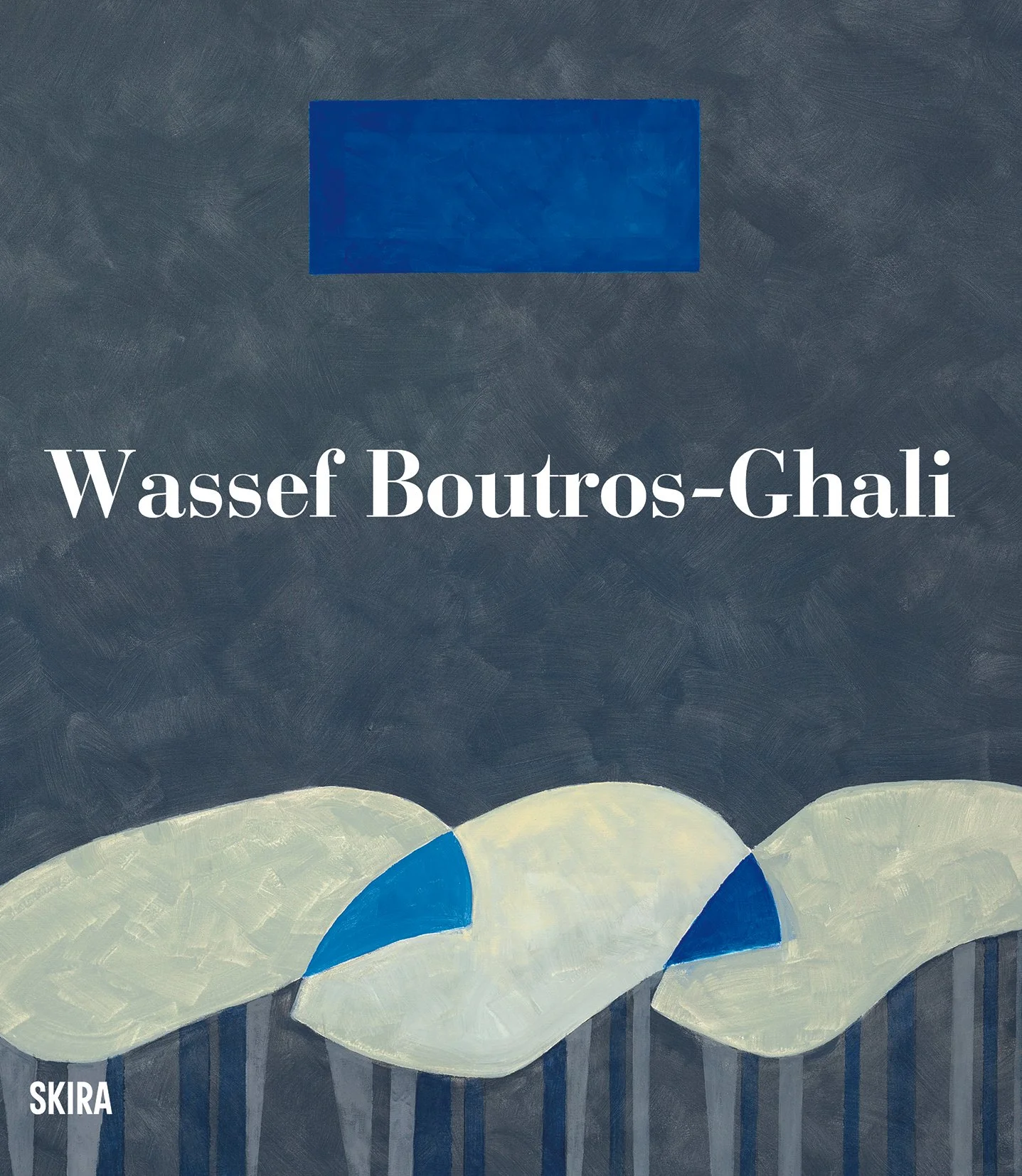
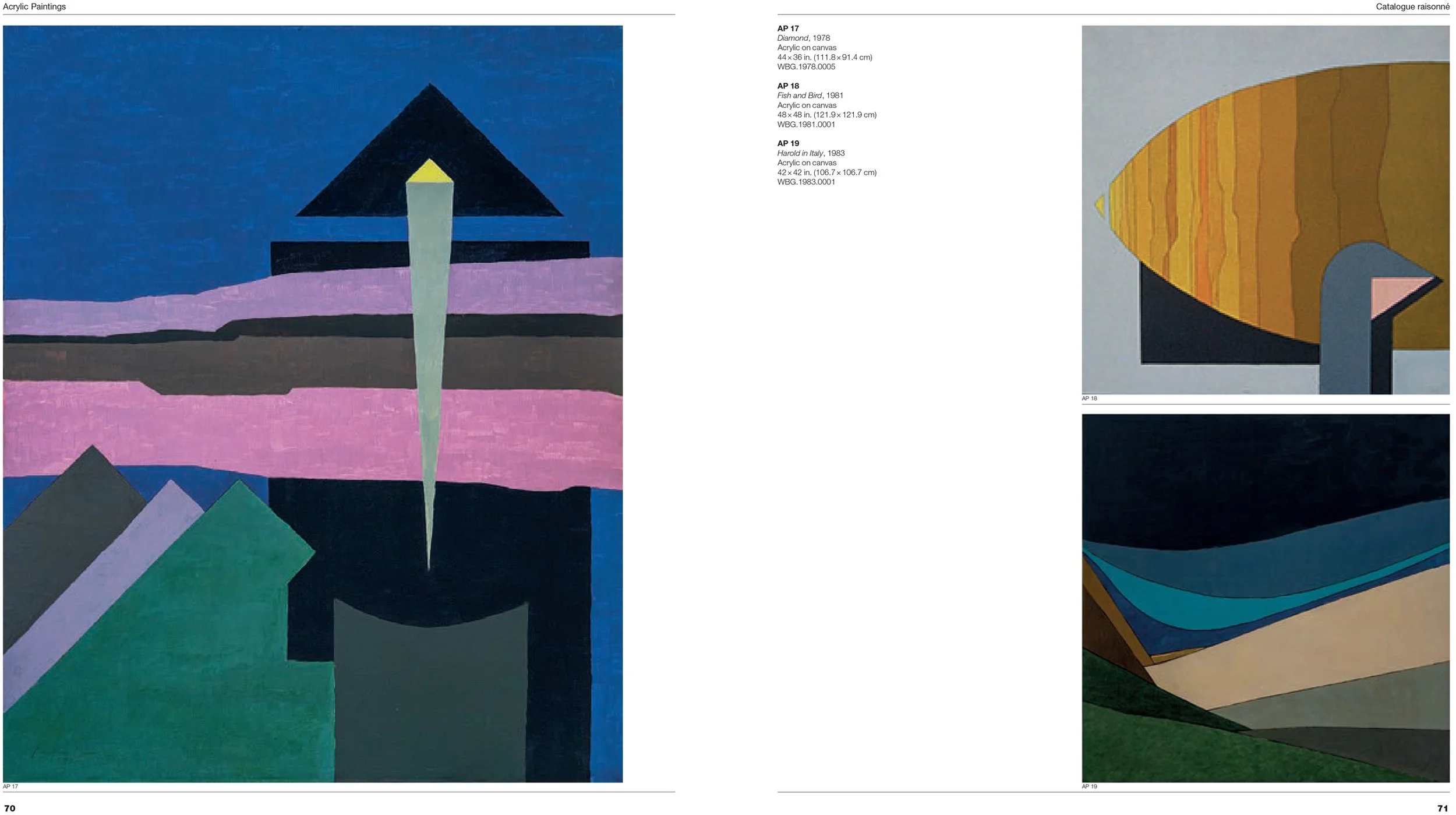
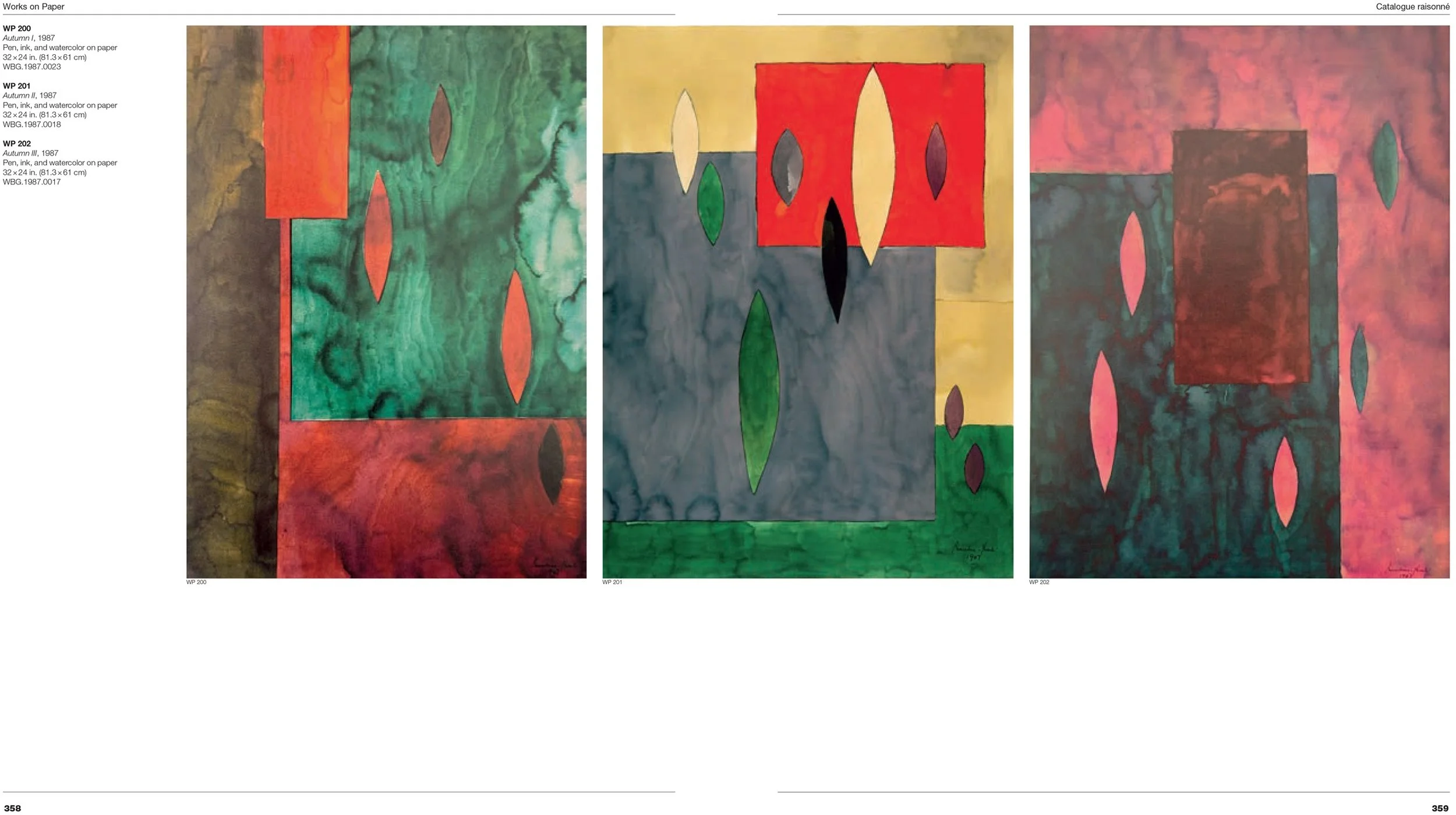
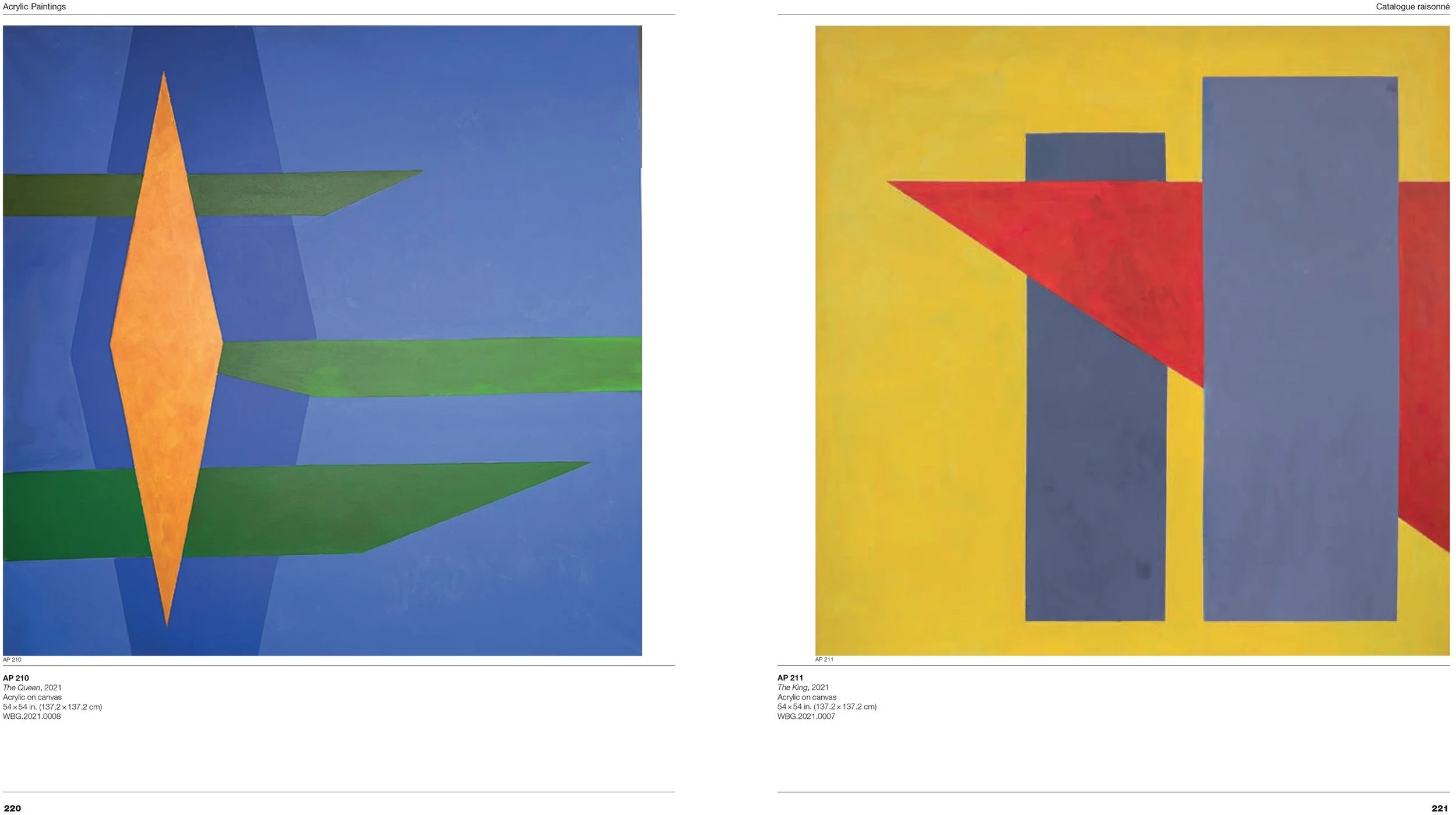
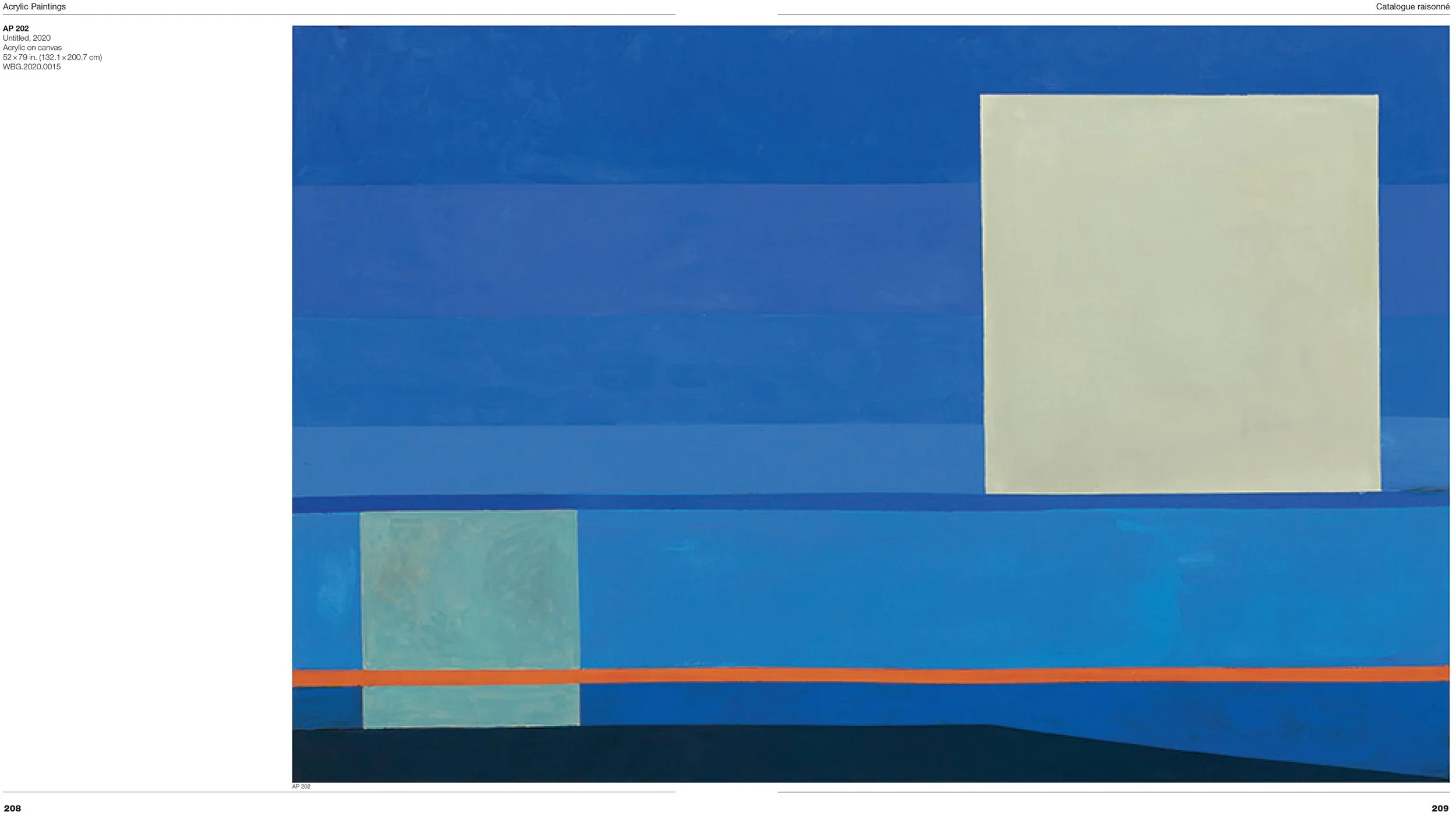
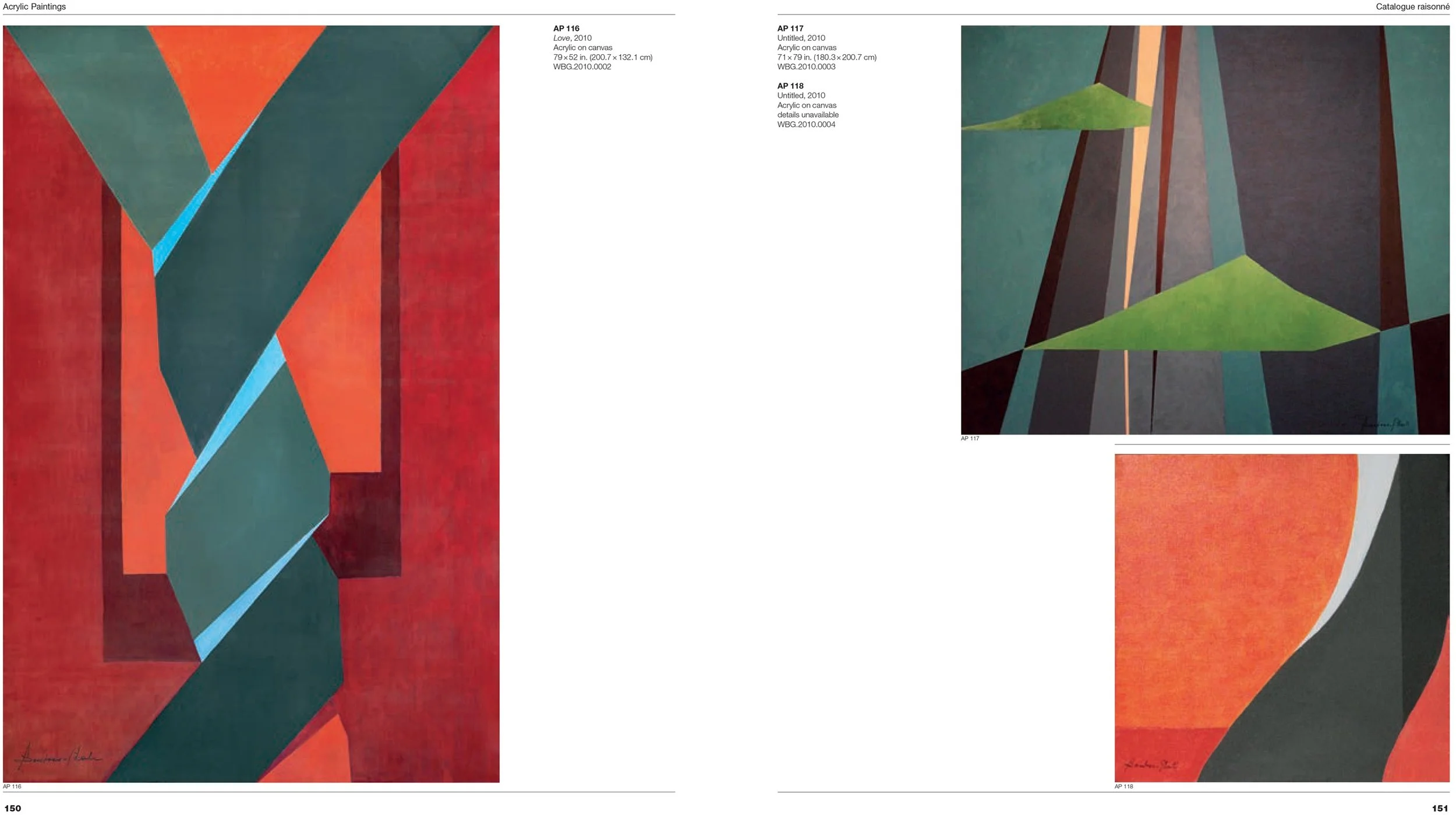
Wassef Boutros-Ghali, Catalogue Raisonné ($230, 496 pages, 710 color illustrations, hardcover with slipcase, published by SKIRA) is the first complete catalogue raisonné of the Egyptian artist featuring his paintings & works on paper from the 1930s to his last works, offering an in-depth exploration of his storied life, the works produced across his distinct creative phases, and his enduring artistic legacy. Spanning Cairo, Paris, and New York, Boutros-Ghali’s life & practice were shaped by cultural hybridity & political turbulence. With subjects based on mythology, on nuanced observations of daily life or stories conjured with the simplicity of dreams, Boutros-Ghali’s artwork speaks to the pure and unrestricted physicality of painting. Working privately & exhibiting selectively, he left behind a body of work that until now has remained largely unexamined. This magnificent book brings coherence to that dispersed legacy, presenting a definitive timeline of his artistic evolution (with his passing in 2023, institutional & curatorial interest in his work is on the rise, this new book responds to that renewed attention, ensuring his contributions are thoroughly documented & critically framed at a moment when public & scholarly interest is at its peak). The book is edited by Lesley Campoy (who oversees the art collection of Wassef Boutros-Ghali—her father-in-law—as its Collection Director).
Courtesy of SKIRA
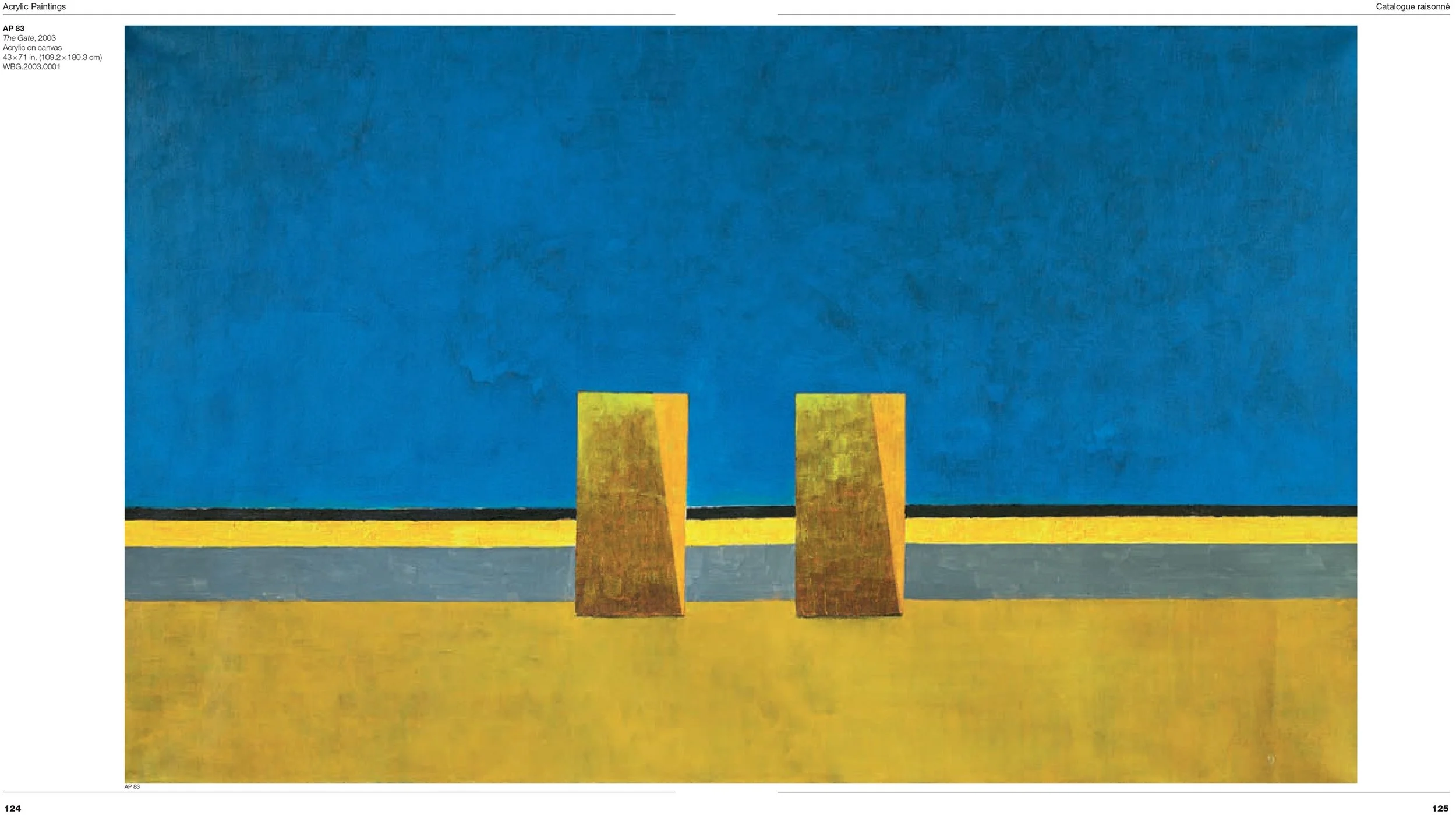
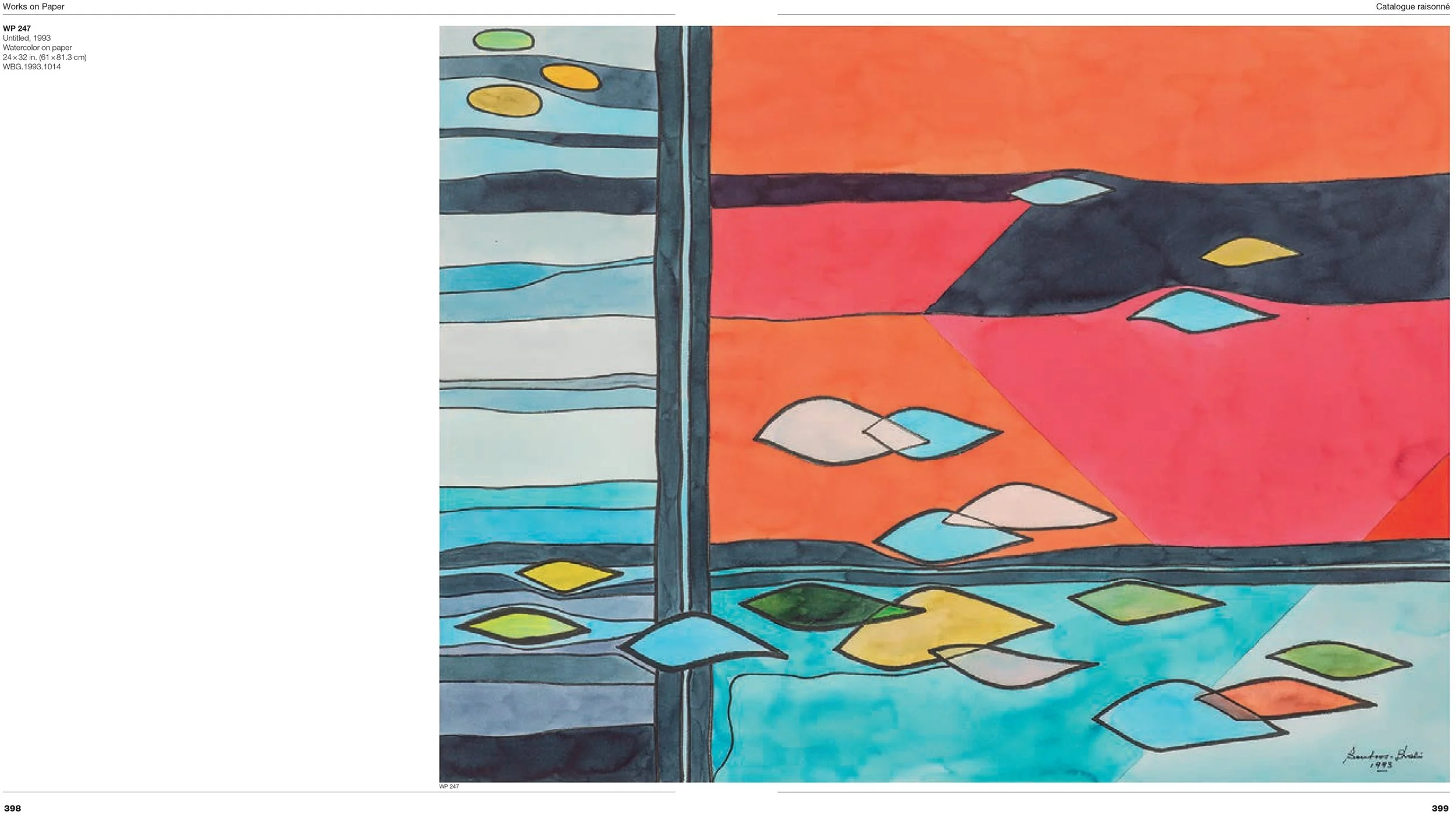
Wassef Boutros-Ghali (1924–2023) was a visionary Egyptian painter & architect whose late-blooming artistic career spanned decades & continents. Though initially steered toward architecture, Boutros-Ghali painted throughout his life, cultivating a distinctive visual language shaped by an affluent & cultured upbringing, political upheaval, religion and mythology, and a life lived across multiple countries. Born in Cairo to a family of statesmen and politicians, he was drawn to the arts at an early age. As 12 years old he started demonstrating great natural skill as a draftsman and set aside the political legacy of his family to devote himself to a career in architecture, and then turned to painting. He first served as a technical consultant for the environment and urbanism with the United Nations and executed buildings in Egypt, Ethiopia, Saudi Arabia, Kuwait and the Sudan, in addition to growing his commitment to his artwork. Rooted in abstraction, his paintings fuse vibrant color fields with architectural precision, informed by modernist movements in both art and design. His bold, geometric compositions reflect a lifelong pursuit of harmony—what he described as a “visual equilibrium of geometric shapes and colors.” As his art evolved, Boutros-Ghali deepened his exploration of color, energy, and form, producing expressive, lyrical works until the end of his life.
Courtesy of SKIRA
Though oil on canvas was initially the artist’s preferred medium, political revolution and a necessary relocation in 1963 interrupted the evolution of his work as well as his choice of materials. Without the luxury of space and with a limited access to painting supplies, Boutros-Ghali produced a series of China ink drawings. The limitations of this new medium provided the artist a tremendous refuge. His experiments veered from abstract to surrealist to constructivist. The free-flowing aspect of the work from this period continues to inform later works and drawing remains a passion. A move to New York in 1971 also served as a kind of awakening. The vivacity of the city, the art world buzz of abstract expressionism and the power of minimalist painting and design reenergized his art making practice. Canvases became larger in scale. Acrylics replaced oils as the medium of choice. Figurative improvisations gave way to overtly abstract forms. In the spirit of Rothko and Reinhardt, his canvases sought equilibrium by way of surfaces drenched in singular color. Thus, his nuanced geometric forms became alive inside the field. A return to Cairo in 1985 finally allowed Boutros-Ghali the freedom to pursue his practice without interruption. Increasingly the artist sought to harness vibrant color to articulate motion/energy within the box of the canvas. His later compositions reflect a meticulous yet openhearted response to the human condition; marvels of reason buoyed by a lifetime’s worth of lyricism.
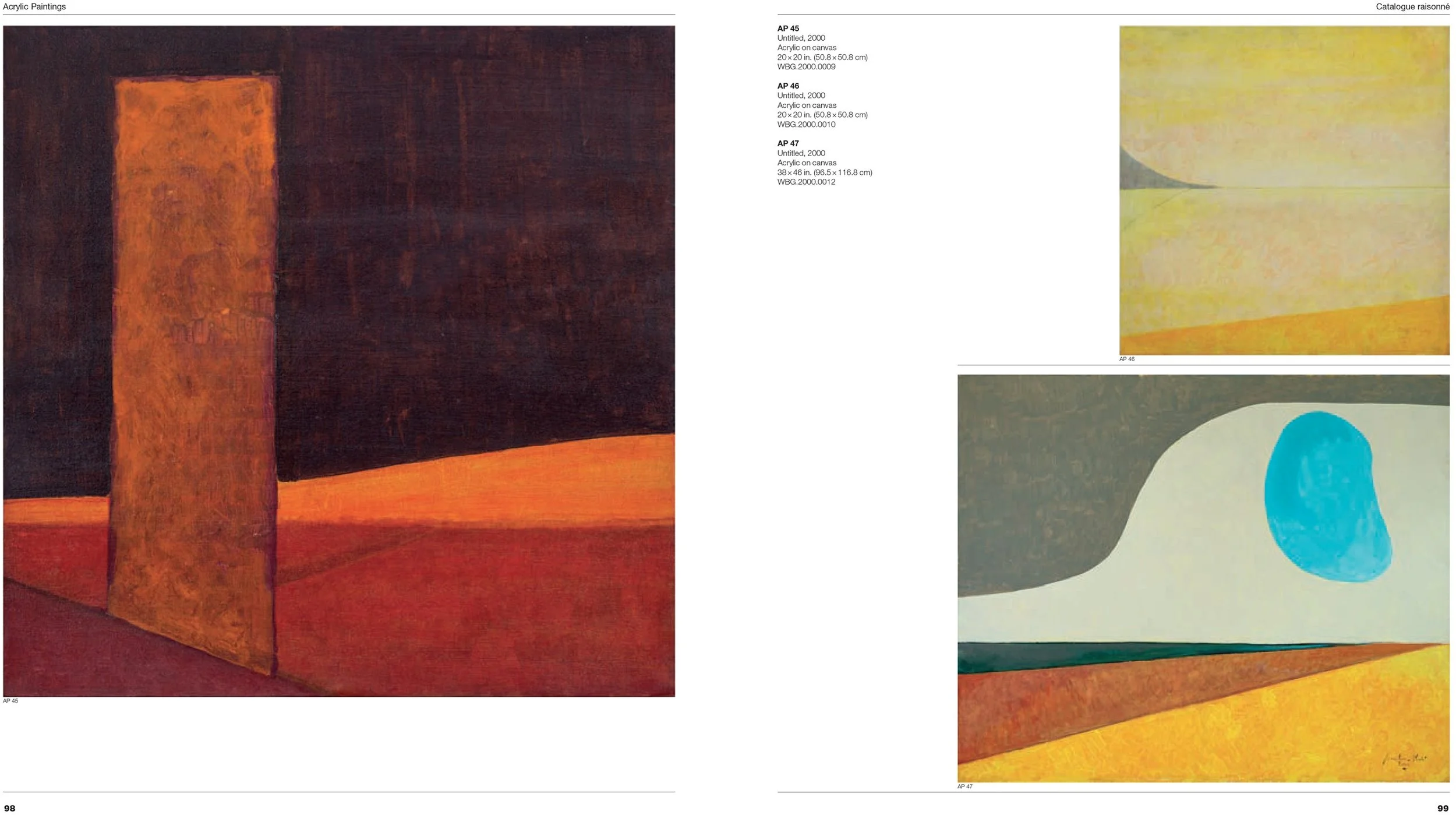
Courtesy of SKIRA
The book situates his work within these frameworks and the publication also reflects extensive archival research, brought to life through commissioned texts by a distinguished group of contributors: prominent Emirati commentator Sultan Sooud Al-Qassemi, American art critic, editor, and writer Barbara MacAdam, former Director of the Museum of Arts and Design and Head of Research at the V&A Glenn Adamson(now Artistic Director for Design Doha), South African architect, founder/principal of architecture & research firm Counterspace Sumayya Vally, and curator, scholar, and writer focused on global modernism & critical theory Donna Honarpisheh. Each offers a unique lens on Boutros-Ghali’s work, drawing connections to modernism, architecture, cultural memory, and regional identity. Their essays enrich the catalogue with critical and historical depth, contextualizing Wassef’s legacy within both Arab and global art histories.
Please visit the SKIRA website here for more information about this title and others. SKIRA can also be found on Facebook, YouTube, and Pinterest.