Lasvit: The Art of Bohemian Glassmaking
Courtesy of Rizzoli
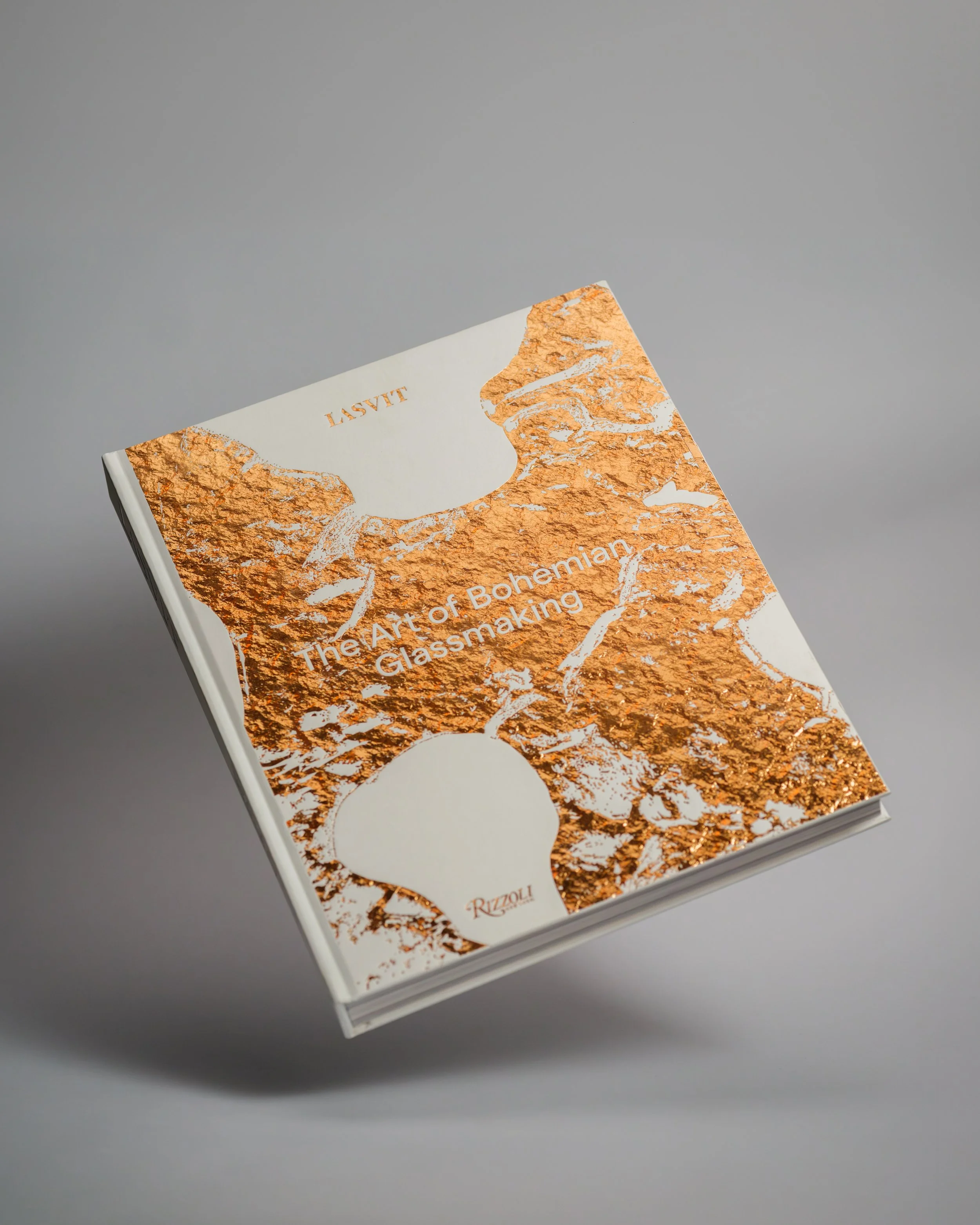
This book will be published on October 27th by Rizzoli, Lasvit: The Art of Bohemian Glassmaking (hardcover, $75, 288 pages) is an extraordinary visual journey & comprehensive exploration of glass & luminosity, unveiling the artistry of Czech design house Lasvit, a leading force in the international glassmaking industry that blends the heritage of Bohemian glass with contemporary design. Founded in 2007 by Leon Jakimič in Northern Bohemia, Lasvit has grown into a vibrant hub of creative art, design, and manufacturing expertise, designing & producing bespoke glass installations showcased worldwide, alongside distinctive lighting & glassware collections.
Courtesy of Rizzoli
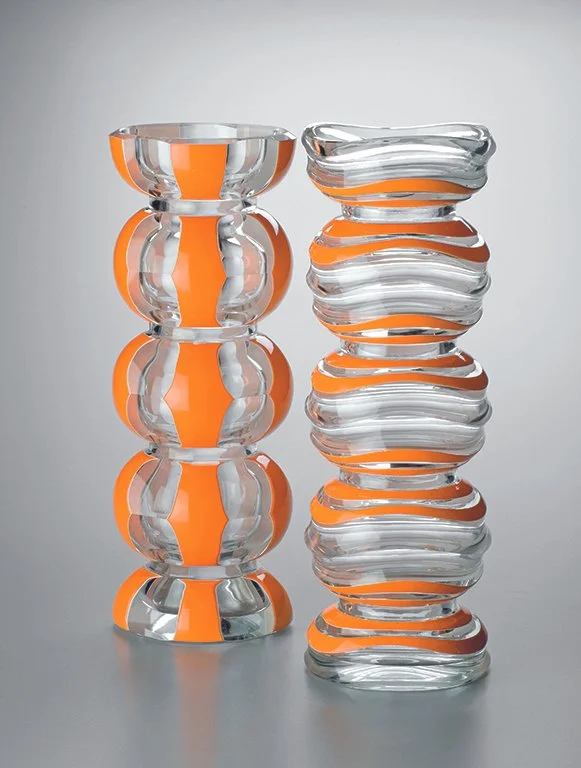
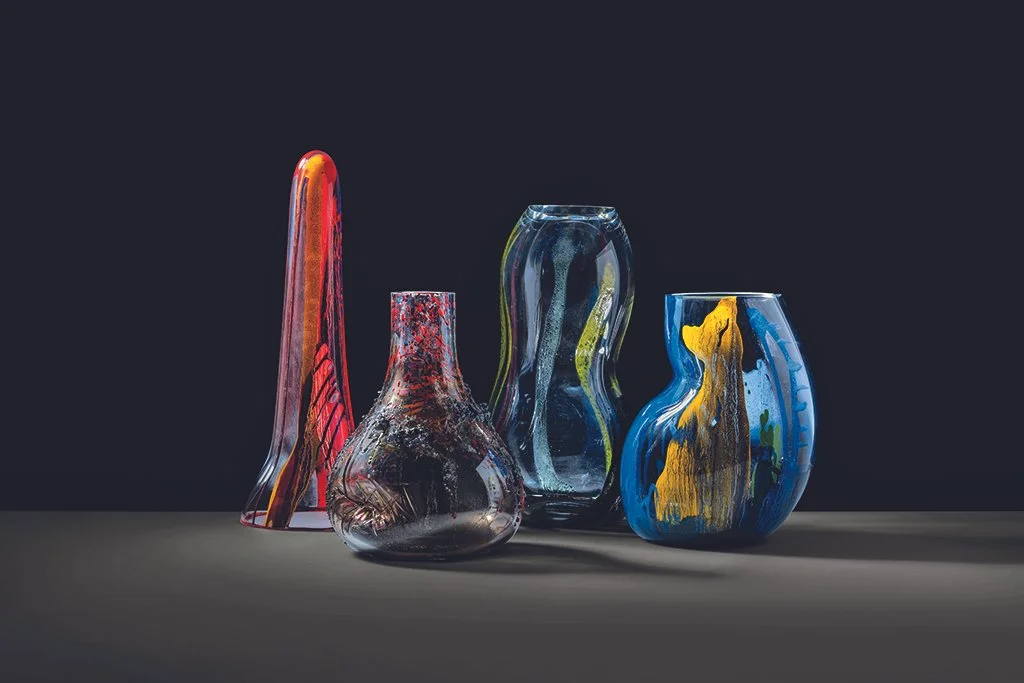
Czech glass is world-renowned for its quality and extraordinary craftmanship—and has been for hundreds of years—with the first records of glass dating back to the 13th Century. Through centuries of upheavals in political upheavals, world wars, global economic and social disturbances, the legacy of Czech glassmaking’s technical expertise, creativity, innovation, and resiliency has endured, inspiring artists, designers, and collectors from around the world. With text by Corning Museum of Glass Assistant Curator Amy J. Hughes, the book traces Lasvit’s history and creative DNA, while also serving as a richly illustrated, educational encyclopedia of glassmaking—introducing traditional techniques and future visions of the artform.

Courtesy of Rizzoli
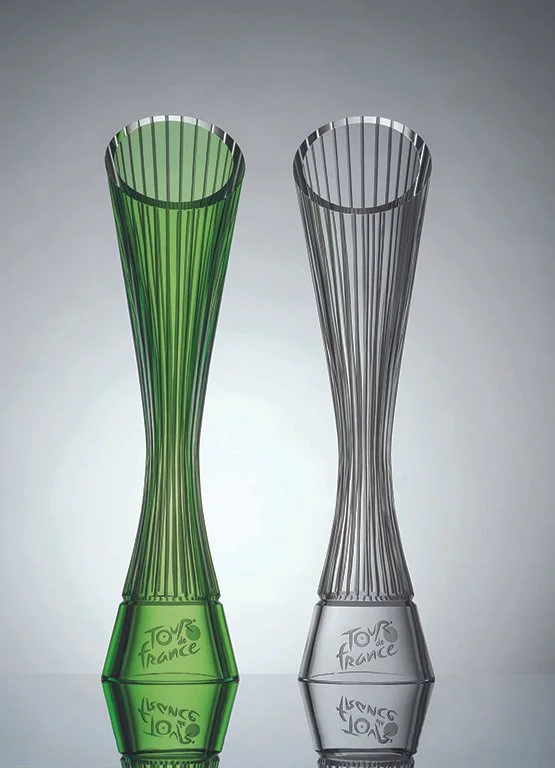
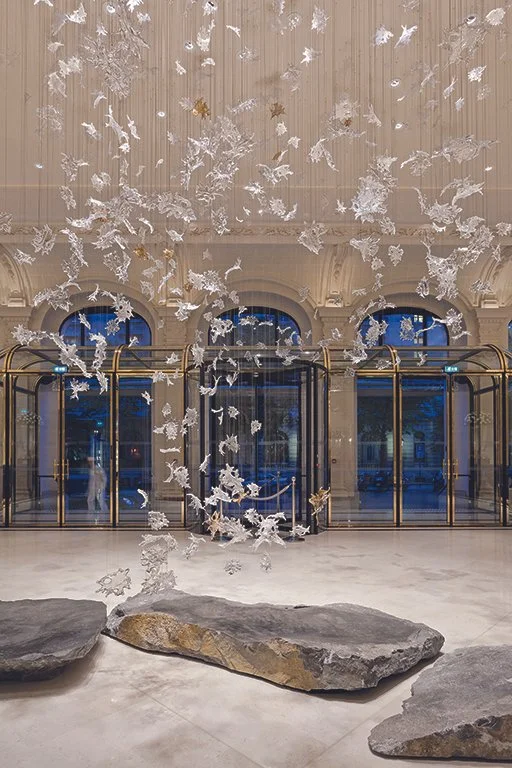
Driven by a spirit of experimentation, Lasvit has collaborated with with visionary designers & architects like Daniel Libeskind, Zaha Hadid, Kengo Kuma, Nendo, the Campana Brothers, David Rockwell, plus some of the world’s top luxury brands like Cartier (Lasvit created a custom glass corridor for its Geneva location, formed with layered floating glass, hand-shaped panels, and delicate bubbles), and Tiffany & Co. (floating above the ground floor of its Fifth Avenue flagship is the mesmerizing Diamond Skylight which forms a sculptural expression of light at the heart of the newly transformed boutique; the jewel-like centerpiece draws on the geometry of diamonds, their cut facets, angles, and reflections, to evoke a celestial sky with hundreds of precisely engineered glass blades). Also highlighted in the book are Lasvit's crystal trophy designs for top sporting events the Tour de France; over 30 large scale installations & commissions around the world at luxury properties like The Peninsula Paris; Dubai Opera Symphony; Four Seasons Hotel Riyadh; Regent Hong Hong; The W Dubai - The Palm; St. Regis Jarkarta; La Mamounia, Marrakech; Lotte Tower, Seoul; Michelin-starred Sketch, London; Impasto at 50 Hudson Yards, NYC; and Oculus, Boston; plus collaborations with visionary designers & architects like Zaha Hadid, Kengo Kuma, Nendo, Daniel Libeskind, the Campana Brothers, David Rockwell.
Lasvit moves naturally between past & present, treating history as a source of continuity & contrast rather than nostalgia. In 2016, this approach took shape in Milan where Lasvit restored 18th Century Bohemian crystal chandeliers in Palazzo Serbelloni, the neoclassical residence once inhabited by Napoleon. And in 2024, Lasvit presented a new vision of artisanal fused glass produced at industrial scale, building the largest glass kiln in Europe, capable of creating textured sheets using handmade molds (demonstrating how traditional craftsmanship & large-scale production can coexist). Lasvit’s work also lives in institutions including the Corning Museum of Glass, Centre Pompidou, and Museum of Decorative Arts in Prague.


Courtesy of Rizzoli
Over the past seven centuries, glassmakers in the Czech lands have discovered countless ways of shaping and transforming this fragile medium so the book begins with an overview of Bohemian glassmaking history (starting with the 13th Century), and ends with a comprehensive overview of the diverse range of techniques & materials: Hot Techniques (Blown Glass, Mold Blowing, Freehand Shaping, Cast Glass, Technical Glass, Color Chemistry); Kilns & Sintering (Slumped Glass, Fused Glass, Tiffany Technique); Cold Techniques (Cold Working, Chipped Optics, Glass Painting, Metal Coating), Special Effects & Materials (Lithyalin, Uranium Glass, Lanthanoid Glass, Dichroic Glass).
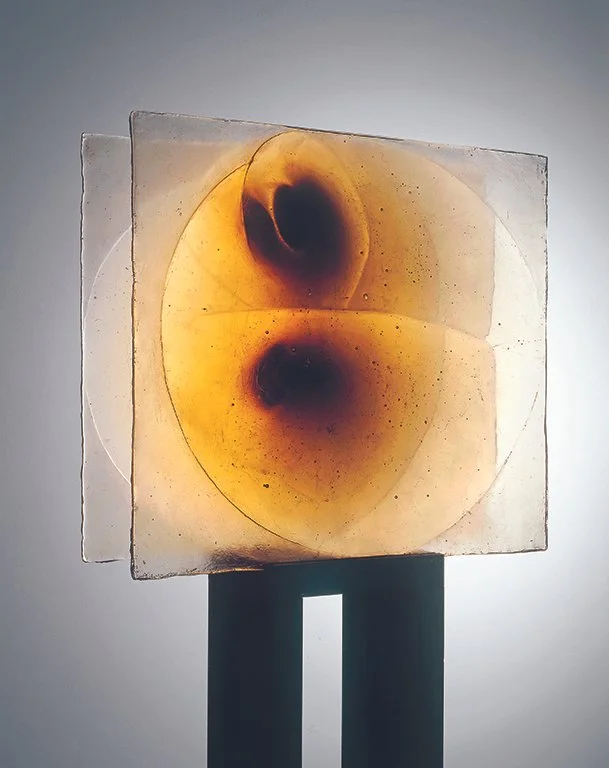
And as mentioned, the book begins with an overview of Bohemian glassmaking history, starting with 13th and 14th Centuries where, as the seat of power of the Holy Roman Empire, Prague became a center of culture & learning (glass appears in both sacred and courtly art, signaling refinement and prestige; the oldest continuously operating glassworks in Central Europe was founded in Horní Chřibská, Northern Bohemia, in 1414). In the the 1600s, Bohemian glass merchants travel across Europe with chandeliers, vessels, optical lenses, and a flourishing global trade begins. In the late 19th Century, the world’s first glass school is founded in Kamenický Šenov (1856), followed by ones in Nový Bor (1870) and Železný Brod (1920), and in 1918 with the founding of Czechoslovakia, glass becomes a national symbol of identity, craftsmanship, and artistic autonomy. In the 1940s-1960s postwar revival, artists like Stanislav Libenský, Jaroslava Brychtová, and René Roubíček lead a renaissance in schools & factories, and a new generation begins using glass as sculpture rather than utility, triggering a global rethink of glass as fine art (many of their works are featured in the book). And in 1950, The Corning Museum of Glass presents the groundbreaking exhibition, Glass 1959: A Special Exhibition of International Contemporary Glass where Czechoslovakian glass stuns the international art world.
For more ifnformation about this title and others from Rizzoli, please visit their site here. Rizzoli can also be found on Instagram and Facebook.